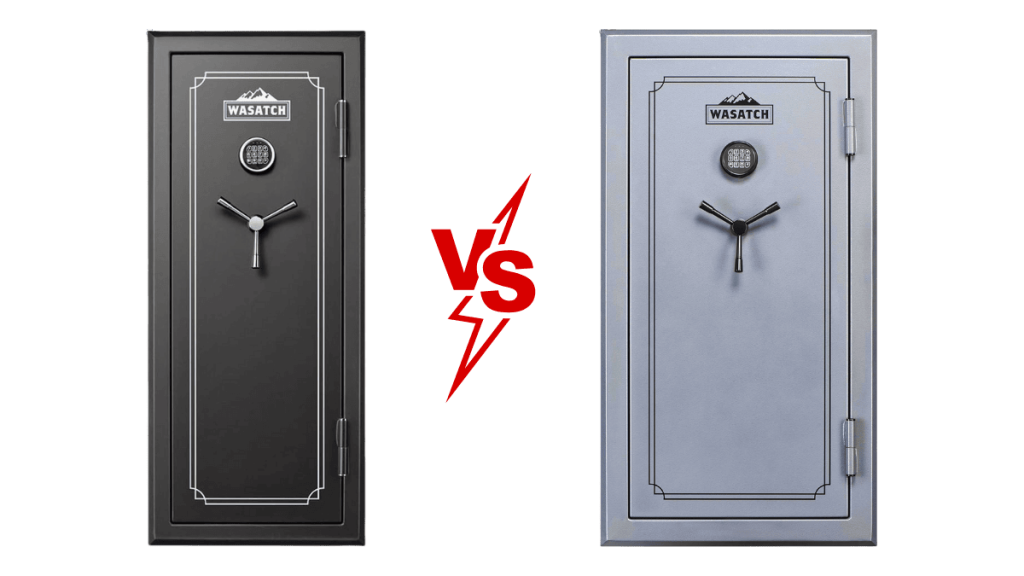
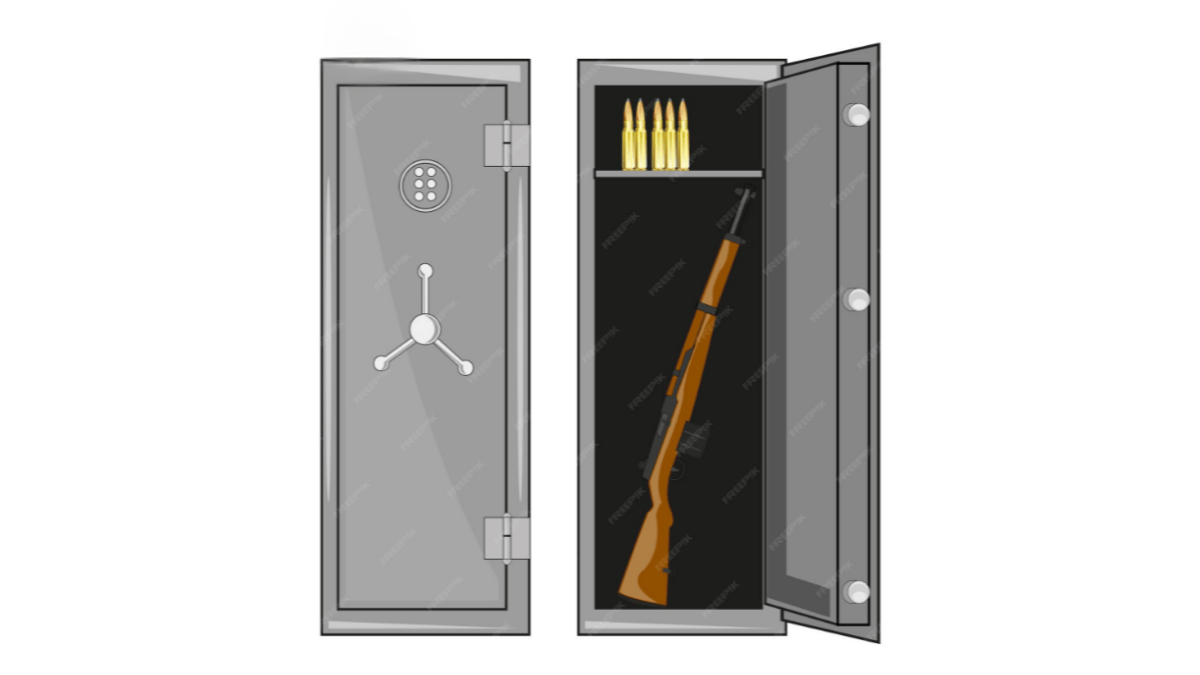
Most of you are shopping by brand, “gun count,” or a fire-minute sticker. However, the smartest way to buy is simpler: pick the security rating that matches your risk, then confirm a few construction and installation details that actually stop break-ins.
This post clears up what UL RSC, TL-15, and TL-30 really mean, what matters the most when choosing a gun safe, and how to buy with confidence (without overspending.)
What are UL ratings?
A lot of products sold as “gun safes” are technically Residential Security Containers (RSCs) under UL 1037, a security-focused standard often associated with common home gun safe designs. (UL Solutions)
Meanwhile, TL ratings come from a different class of burglary testing. The key idea across these labels is “net working time.”
In plain terms, the clock runs only while tools are actively being used on the safe. When the tool stops, the clock stops too. (Dean Safe)
So, those 5, 15, and 30-minute numbers are not “how long a burglar needs in your garage.”
They are controlled, standardized measures used to compare one safe’s resistance to another.
UL RSC vs TL-15 vs TL-30
| Rating | What it is (practical meaning) | Net working time concept | Best fit for |
|---|---|---|---|
| UL RSC | Baseline residential burglary resistance for many “gun safe” style units | 5 minutes of active attack time | Most first-time buyers with typical home risk, when anchored and placed well |
| TL-15 | Tool-resistant safe construction designed to resist more serious attacks | 15 minutes active attack time | Higher-value collections, slower police response areas, or higher theft risk homes |
| TL-30 | Higher level tool-resistant rating, tougher barrier and door performance | 30 minutes active attack time | High-value storage, elevated threat profile, and people upgrading from RSC for real attack resistance |
A Simple Rule You Should Follow
Choosing between RSC, TL-15, and TL-30 is mostly about two things: how likely an attacker is to keep working, and how much time they can operate without interruption.
If a home has basic deterrents (cameras, alarm signs, close neighbors), many burglars still prefer quick exits. In that case, a properly installed RSC can be a rational choice.
However, if the home has longer response times, known valuables, or predictable empty hours, stepping up to TL-15 or TL-30 becomes easier to justify.
A simple way to think about it is this: buy the rating that forces the attacker into a longer, louder, riskier job, because that is the point of a safe.
Features to look for when buying a gun safe
This is where it gets noisy. But, we will keep it clean ofc.
The goal is not to collect features. The goal is delay, deny, and control access.
1) Door and body construction, not just weight
Heavier can help, but it is not proof.
Focus on how the body and door are built, because prying and door attacks are common in real break-ins.
A good habit is to compare construction details across the same rating tier.
If two products are both RSC, the one with better door geometry and stronger barrier design typically ages better than one that just looks thicker in photos.
2) Boltwork quality beats bolt count
Some brands advertise big bolt numbers because it sells. However, what matters is how the bolts engage, how the door resists pry leverage, and whether the system is designed to stay locked if attacked.
Also, a safe can have a lot of bolts and still be weak if the door frame, hinge side, or lock area is poorly protected.
3) Relockers and hardplate are real, not hype
A relocker is meant to keep the safe locked if the lock is punched, drilled, or damaged. Hardplate helps protect the lock area from drilling.
These are not glamorous features, yet they matter most when an attacker targets the lock area first.
If you are comparing two options and one clearly lists relockers and lock-area protection while the other is vague, that is usually a meaningful difference.
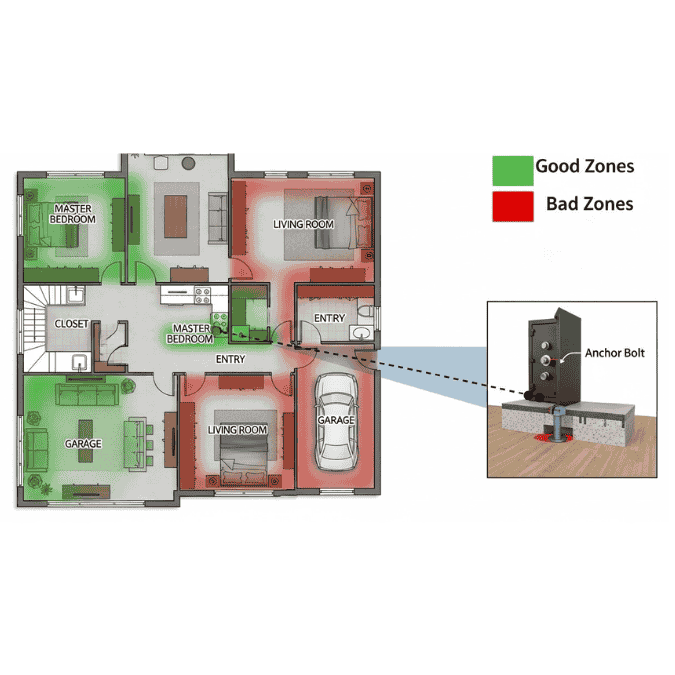
4) Anchoring and placement can upgrade an “average safe” into a strong system
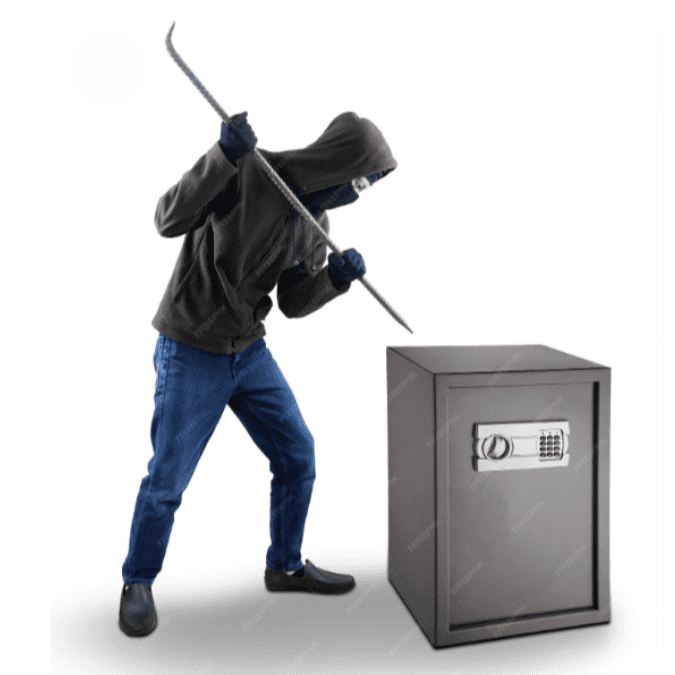
Even a solid safe becomes a problem if it can be tipped, dragged, or removed. In many residential burglaries, mobility is the quiet advantage for the attacker.
Placement matters too. Avoid the most obvious spots where leverage is easy and privacy is high. A better approach is a location with less working room for prying, more natural traffic, and a solid anchoring surface.
5) Size and “gun count”
Most gun counts are about slim firearms, minimal optics, and tight packing. But the real setups include scopes, slings, magazines, and cases.
Therefore, you should plan extra space from day one.
A practical target is to buy bigger than the current collection needs, because upgrades get expensive when the safe is already full.
➡ Know more about how to choose the right RPNB safe here.
“Choose your tier” chart
If the goal is to pick a rating confidently, this quick matrix helps.
| Your situation | Suggested starting point |
|---|---|
| Typical home risk, basic deterrents, smaller collection, wants solid security | UL RSC |
| Higher-value collection, slower response area, more time windows for theft | TL-15 |
| High-value storage, higher threat profile, wants maximum delay and resistance | TL-30 |
If you are stuck between tiers, the tie-breaker is usually this: choose the higher tier if the safe will store valuables beyond firearms, or if replacing the contents would be financially painful.
Buying checklist
- Pick the rating first (RSC, TL-15, or TL-30) based on risk and value.
- Confirm door and body construction details are clearly specified.
- Look for lock-area protection and relocker design clarity.
- Plan the install path, final placement, and anchoring method in advance.
- Buy extra interior space for optics, accessories, and future additions.
- Decide if quick access is needed, then split roles between a main safe and a quick-access safe if necessary.
👉 While you’re at it, check out the best gun safes for home defense in 2026 here.
Lock choice: dial vs electronic vs biometric
Lock choice affects daily use. So, what to know before buying a gun safe?
Mechanical dial locks have a reputation for long-term reliability, although they are slower. Electronic keypads are faster and convenient, but they depend on batteries and quality components.
Good keypads can be excellent, yet cheap ones are where the frustration starts.
Is a biometric gun safe worth it?
Sometimes, yes.
Biometrics make the most sense for quick-access handgun safes where speed matters more than deep burglary resistance.
However, for a primary long-gun safe, biometric can be a questionable “main lock” decision. Finger conditions, sensor quality, and false rejects can turn convenience into a failure point.
A better setup for many households is a strong main safe with a reliable lock, plus a separate quick-access unit if fast entry is part of the plan.
Fire protection: is a fireproof gun safe worth it?
Fire protection is worth considering, but users should stay realistic about what fire claims mean. Many products market fire minutes aggressively, yet real fires vary by room contents, ventilation, collapse risk, and how long heat stays trapped.
A practical approach is to decide what needs fire protection most. Paper documents and digital media often require different protection strategies. In addition, safe placement inside the home can reduce exposure to the hottest, most fuel-heavy areas.
A useful mindset is this: burglary ratings speak to forced entry resistance, while fire performance is a separate problem.
So, you should avoid trading away real security just to chase a bigger fire number on a label.
Wrap-up
If you understand ratings, you can shop smarter than someone who shops by brand hype.
In practice, choosing a gun safe comes down to matching UL RSC vs TL-15 vs TL-30 to the real threat, then prioritizing construction quality, anchoring, and daily-access needs.
Do this bit, and the safe stops being a box with a logo and becomes a genuine part of home security.
Keep following Gunners’ Review for more insightful content from the gun gear world, and more.
FAQs on how to choose a gun safe
What should I look for when buying a gun safe?
When buying a gun safe, you should look for UL rating, steel, relockers, and anchoring.
How to select a gun safe for a small apartment or renter?
Consider compact RSC, discreet placement, and non-damaging anchoring options when you’re selecting a gun safe for a small apartment or renter.
Is a biometric gun safe worth it?
Yes, for quick-access, but keep a keypad backup and maintain batteries.
Is a fireproof gun safe worth it?
Yes, because it helps documents most; treat fire labels as estimates.
RSC vs TL-15 vs TL-30: which is best for most homes?
For most homes, an anchored UL RSC is enough; choose TL-15 or TL-30 for higher risk.