Shooters see NRR ratings stamped on different earmuffs and earplugs, and they think it’s a good thing. But a proper explanation for the NRR rating for shooters can prove effective. There are differences in real-world and trial-based results of NRR ratings. Shooters need to invest in good hearing protection products to ensure their personal safety. The best option for most shooters is the 3M PELTOR Sport Tactical 500. But other options are also available with their accurate details. Learning about them helps shooters ensure a safe shooting experience without worrying about constant hearing loss issues and risks.
Even when shooters are fully prepared to invest in the OSHA hearing protection standard and guidelines, they feel confused due to terms like NRR ratings. Keeping your ears and eyes safe against gunshots and related damage should be shooters’ priority. Many shooters avoid proper ear protection, saying they would not need to invest in better ear protection when the shotgun or rifle is not even that loud. But it’s an irresponsible behaviour.
Shooters must use ear protection, irrespective of the gauge, bore, cartridge, or caliber. When ear protection is so important, NRR explained for shooting can help shooters make better decisions. Choosing the right ear protection products is possible when you know about NRR ratings. Learning the impact of firearms on your hearing and how they affect your overall shooting experience also affects your hearing protection preferences.
What Does NRR Mean?
NRR stands for Noise Reduction Rating. It is a lab-tested number that tells you how much sound reduction a hearing protector may provide when worn correctly. A higher NRR usually means more noise reduction, but only when the earplugs or earmuffs seal properly.
For shooters, the NRR rating’s meaning is simple: it is a comparison number, not a guaranteed protection number. An earmuff with NRR 23 does not automatically reduce every gunshot by 23 decibels in your ear. Your real protection depends on fit, hair, glasses, cheek weld, ear canal shape, movement, and whether you are shooting indoors or outdoors.
Gunfire is not like lawn mower noise or factory noise. It is impulse noise. It happens in a sharp, violent pressure spike. A single firearm shot can be loud enough to damage hearing. Indoor ranges make it worse because walls and ceilings reflect sound toward the shooter.
Why NRR Is Different for Shooting?
NRR ratings are useful, but shooters should not treat them as perfect. Hearing protection is tested in controlled conditions, usually with trained users and a steady noise source. Shooting creates very short, high-energy impulses. That is why the same hearing protection can feel acceptable outdoors with a .22 rifle but painful indoors with a braked rifle.
The biggest mistake is thinking, “My earmuffs are NRR 23, so a 160 dB gunshot becomes 137 dB.” That is not how noise reduction works. In practical use, the reduction is usually lower. Poor insertion of earplugs can reduce protection dramatically. A small gap under an earmuff seal can also ruin performance.
What NRR Do Shooters Need?
For most shooters, an NRR rating of 22 to 26 is the minimum starting point for electronic earmuffs, while an NRR rating of 29 to 33 is better for foam or molded earplugs. For indoor ranges, rifles, short barrels, muzzle brakes, or long training sessions, shooters should use double hearing protection: high-NRR earplugs under electronic earmuffs.
NRR does not mean a gunshot becomes safe by subtracting the rating from the gunshot’s decibel level. NRR is measured in lab conditions and is mainly based on continuous noise, not impulse noise like gunfire. That is why shooters need to understand fit, real-world attenuation, impulse noise, etc.
The EPA Testing Methodology requires hearing protector labels to show NRR values. The label gives buyers a standardized way to compare earplugs and earmuffs. Shooters have to consider this before buying any earplugs and earmuffs.
NRR Chart for Shooters
| Labeled NRR | Practical Use for Shooters | Estimated Real World Reduction | Best Use Case |
|---|---|---|---|
| NRR 20-22 | Basic electronic earmuffs | About 6-8 dB | Outdoor pistol or low-volume range use |
| NRR 23-25 | Better electronic earmuffs | About 8-9 dB | Outdoor range, hunting, general shooting |
| NRR 26-28 | Strong earmuffs or plugs | About 9-10 dB | Louder outdoor shooting, mixed firearms |
| NRR 29-31 | High-rated plugs | About 11-12 dB | Foam plugs, molded plugs, double protection base |
| NRR 32-33 | Maximum common plug range | About 12-13 dB | Indoor ranges, rifles, brakes, long sessions |
| Dual protection | Earplugs plus earmuffs | Add about 5 dB to the stronger device estimate | Indoor shooting, rifles, training, youth shooters |
This is a conservative estimate using the common NRR derating formula for A-weighted noise: (NRR - 7) ÷ 2. It is useful for planning, but it still does not perfectly predict impulse-noise protection from gunfire.
How to Calculate NRR for Shooting?
The common noise reduction rating formula is:
Estimated reduction = (NRR - 7) ÷ 2
Then subtract that result from the measured A-weighted noise level.
Example: If your earmuffs are rated NRR 25:
(25 - 7) ÷ 2 = 9 dB estimated reduction
If the surrounding noise is 100 dBA, your estimated protected level is about 91 dBA.
For dual protection, do not add the full NRR of earplugs and earmuffs together. That is a common mistake. A practical OSHA-style shortcut is to use the higher NRR device and add about 5 dB for the second device.
Example: Foam plugs NRR 29 plus electronic muffs NRR 23:
Use the higher device: 29
Add 5 dB for dual protection: 34
Derate: (34 - 7) ÷ 2 = 13.5 dB estimated reduction
This does not mean gunfire is harmless. It means dual protection gives you a better safety margin than either device alone.
What NRR Do I Need for Shooting?
Most shooters should use at least NRR 22 electronic earmuffs outdoors and upgrade to dual protection for indoor ranges. If you shoot rifles, shotguns, braked barrels, AR pistols, short-barreled firearms, or high-volume training drills, dual protection is the safer choice.
| Shooting Situation | Recommended Protection | Why |
|---|---|---|
| Outdoor .22 rifle | NRR 22+ electronic muffs or NRR 29 plugs | Lower impulse than centerfire, but still protect hearing |
| Outdoor handgun | NRR 23+ muffs or NRR 29+ plugs | Pistols can be sharp and close to the ear |
| Outdoor centerfire rifle | NRR 25+ muffs or plugs plus muffs | Rifle blast is stronger, especially near other shooters |
| Indoor pistol range | NRR 29+ plugs plus electronic muffs | Reflected sound increases exposure |
| Indoor rifle range | High-NRR plugs plus high-quality muffs | Very loud impulse noise and heavy reverberation |
| Muzzle brake or short barrel | Dual protection strongly recommended | These setups are harsh for the shooter and bystanders |
| Youth shooters | Dual protection recommended | Children’s hearing needs extra caution |
| Hunting | Electronic muffs or filtered plugs | Need awareness, but still need impulse protection |
Impulse Noise vs Continuous Noise
Continuous noise is steady. Examples include machinery, generators, traffic, and power tools. Impulse noise is sudden. Gunshots, fireworks, explosions, and nail guns are impulse sounds.
This matters because the human ear handles these exposures differently. A gunshot can reach damaging peak levels almost instantly. You may not feel pain every time damage happens, and ringing after shooting is a warning sign that protection was not enough.
For shooters, “I only fired a few rounds” is not a safe argument. A few rounds indoors or from a braked rifle can be worse than many lower-noise activities. Use protection before the first shot, not after the range gets loud. You can get better protection ideas and products from Gunners’ Review.
Best Hearing Protection Products for Shooters
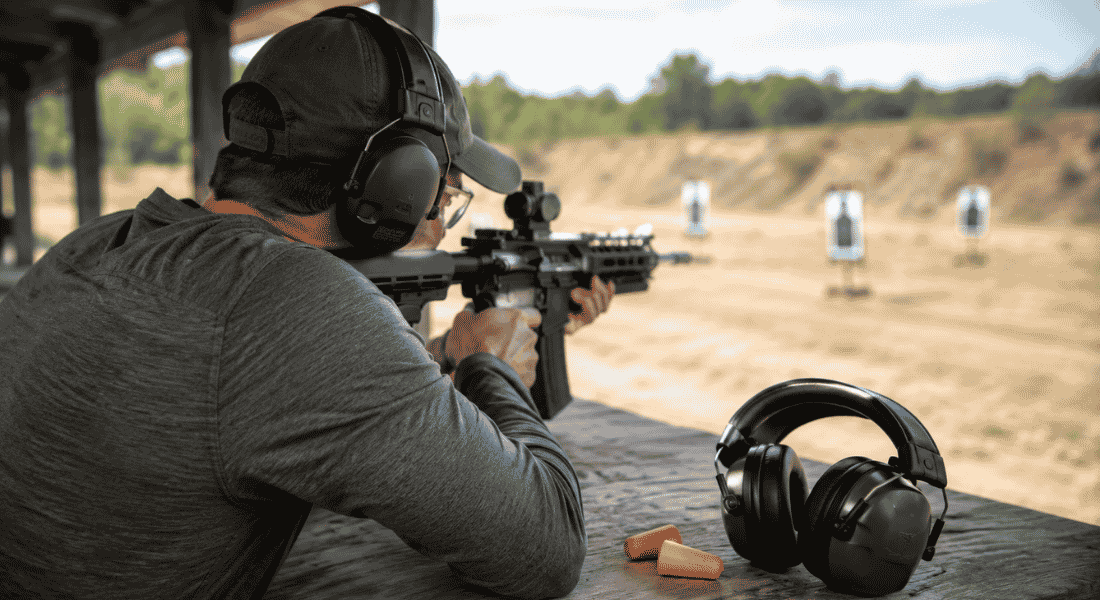
The best hearing protection for shooters depends on the firearm, range type, comfort, and communication needs. Electronic earmuffs are easier for range commands. Foam plugs usually offer a higher NRR. Custom molded plugs improve fit.
The safest range setup is often high-NRR plugs under electronic earmuffs. When in doubt, double up. Investing in a good decibel exposure chart is beneficial for shooters.
| Product | Type | NRR | Best For | Pros | Cons |
|---|---|---|---|---|---|
| 3M PELTOR Sport Tactical 500 | Electronic earmuff | 25 dB | Indoor/outdoor shooters wanting premium electronics | Bluetooth, adaptive suppression, good NRR for electronic muffs | Bulkier and more expensive than basic muffs |
| Walker’s Razor Slim Electronic Muff | Electronic earmuff | 23 dB | Budget-friendly range use | Slim profile, affordable, common range choice | Lower NRR than plugs, seal can be affected by glasses |
| Howard Leight Impact Sport | Electronic earmuff | 22 dB | New shooters and outdoor pistol use | Lightweight, low profile, good value | Not ideal alone for indoor rifle use |
| Decibullz Custom Molded Earplugs | Molded earplugs | 31 dB | Shooters who dislike disposable plugs | Custom fit, reusable, high NRR | Must be molded correctly |
| 3M E-A-R Classic Foam Earplugs | Disposable foam plugs | 29 dB | Low-cost backup and double protection | Cheap, reliable, easy to keep in range bag | Needs proper insertion, blocks speech |
| SureFire EP4 Sonic Defenders Plus | Filtered reusable plugs | 24 dB | Hunting and outdoor awareness | Reusable, filtered design, comfortable | Lower NRR than foam plugs |
| Safariland Pro Impulse Earplugs | Impulse-filter earplugs | 33 dB | Shooters wanting compact impulse protection | High NRR, reusable, no earmuff bulk | Fit varies by ear shape |
1. 3M PELTOR Sport Tactical 500
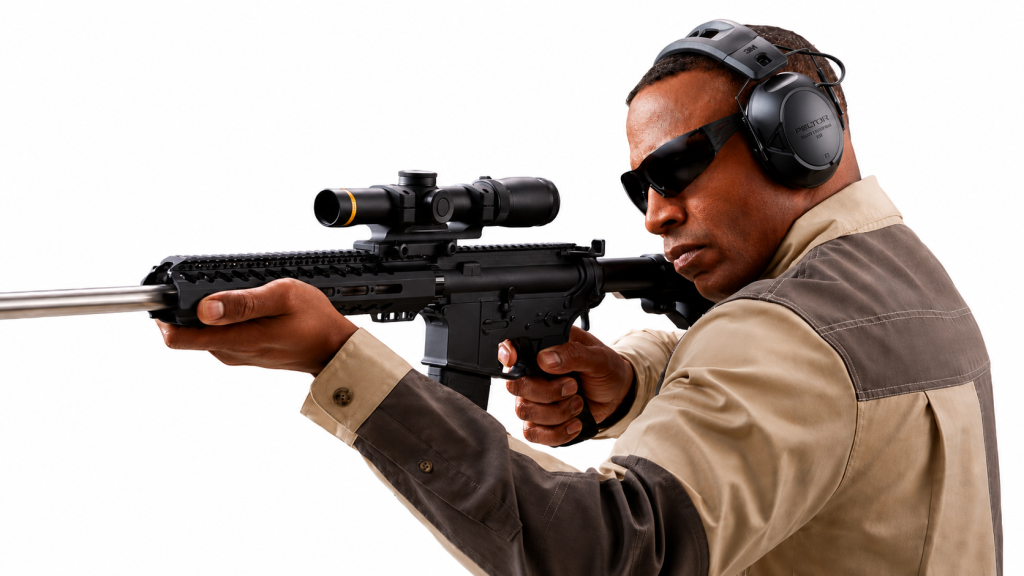
The 3M PELTOR Sport Tactical 500 is best for shooters who want electronic hearing protection with stronger attenuation than many slim muffs. It is a solid choice for indoor and outdoor range use, especially when communication matters.
| Pros | Cons |
|---|---|
| Good NRR for an electronic earmuff | More expensive than entry-level electronic muffs |
| Adaptive gunshot suppression technology | Bulkier than slim-profile alternatives |
| Bluetooth connectivity for compatible devices | |
| Better speech amplification and clarity than many basic models |
Best for: Indoor and outdoor shooters, instructors, training days, and Bluetooth users.
2. Walker’s Razor Slim Electronic Muff
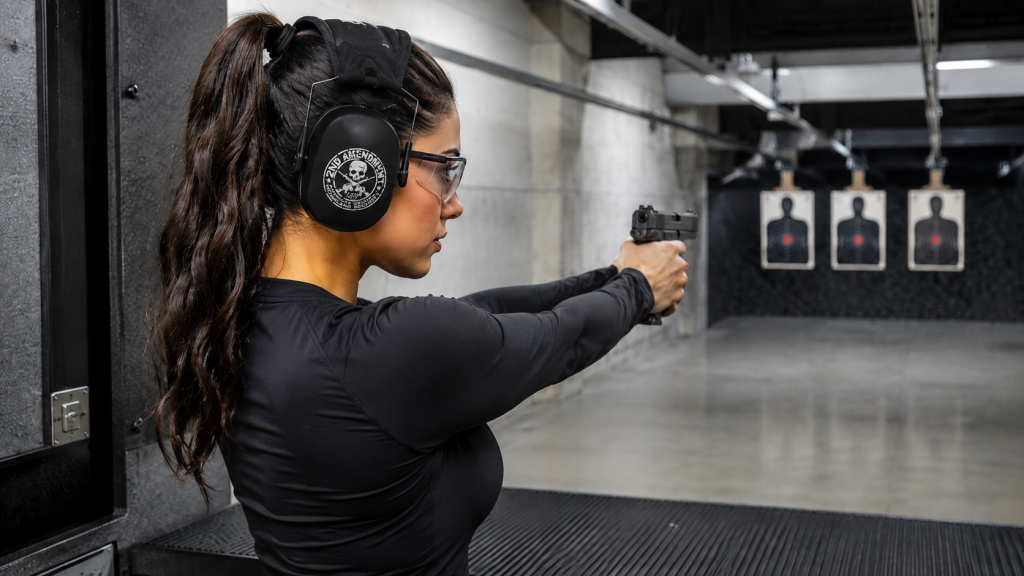
The Walker’s Razor Slim is one of the most common budget electronic earmuffs for shooters. It works well for outdoor pistol shooting, casual range use, and people who want to hear commands without paying a premium.
| Pros | Cons |
|---|---|
| 23 dB NRR is decent for shooting earmuffs. | Not enough alone for indoor rifle shooting. |
| Electronic sound amplification helps at the range. | Seal can break with glasses or poor fit. |
| Slim profile is good for shooters. | |
| Good budget option for NRR-based ear protection. |
Best for: Budget shooters, outdoor pistol ranges, casual use.
3. Howard Leight Impact Sport
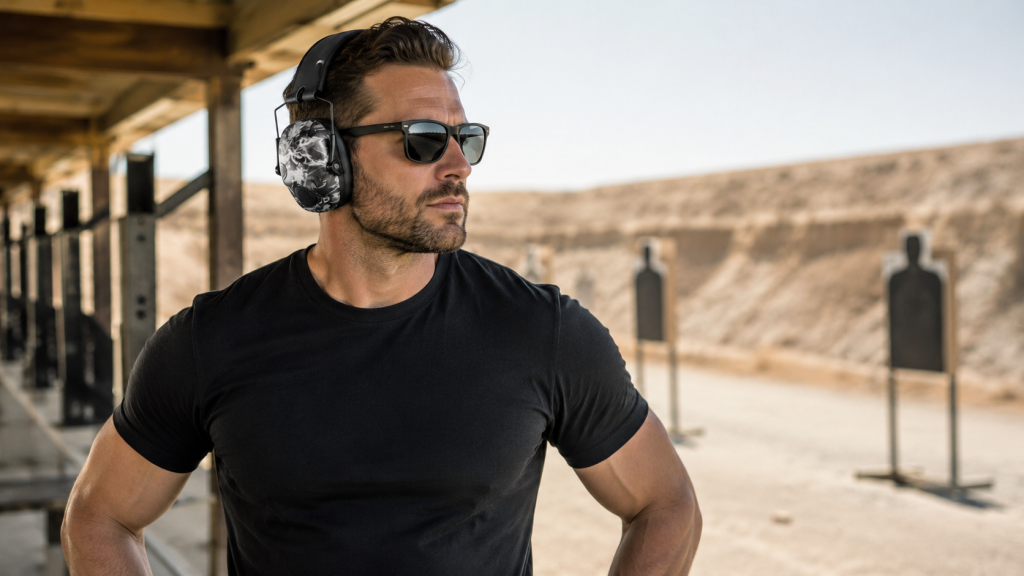
Howard Leight Impact Sport earmuffs are lightweight electronic muffs with a low-profile shape. They are popular because they balance price, comfort, and basic amplification.
| Pros | Cons |
|---|---|
| 22 dB NRR works for basic shooting protection. | Not enough alone for indoor ranges, rifles, muzzle brakes, or AR pistols. |
| Electronic amplification helps shooters hear range commands and conversations. | Lower NRR than many foam earplugs, which often provide stronger protection. |
| Low-profile ear cups help reduce interference when aiming rifles or shotguns. | |
| Good budget electronic earmuff for NRR-based shooting protection comparisons. |
Best for: New shooters, outdoor ranges, range bags, and backup electronic muffs.
4. Decibullz Custom Molded Earplugs
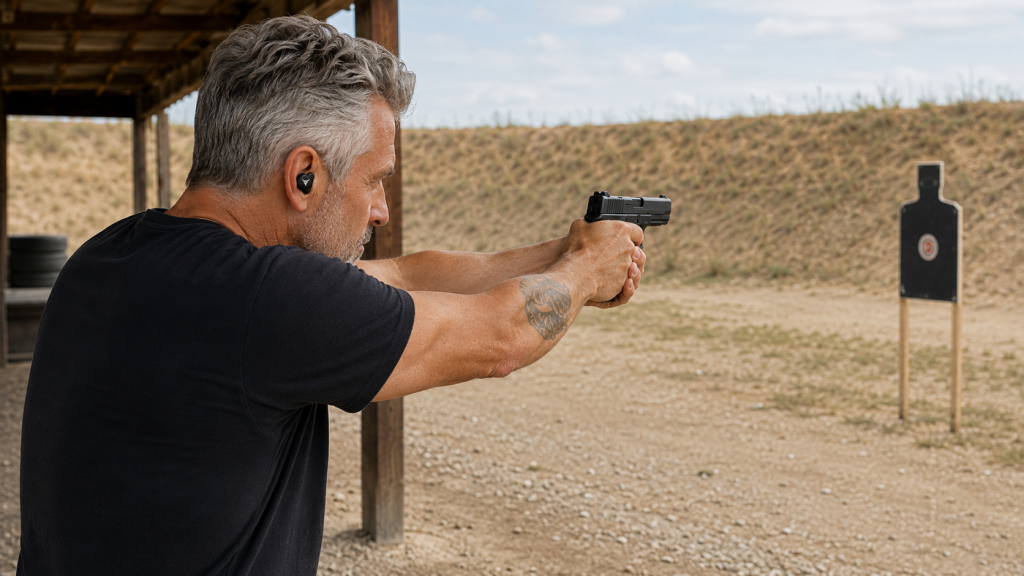
Decibullz plugs are a good middle ground between disposable foam plugs and professional custom plugs. They are heat-molded to fit the ear, which can improve comfort and reduce the chance of them falling out.
| Pros | Cons |
|---|---|
| 31 dB NRR gives strong shooting protection | Must be molded correctly or protection drops |
| Good for indoor ranges when paired with earmuffs | Not as quick to use as basic foam plugs |
| Reusable design saves cost over disposable plugs | |
| Custom molded fit can feel more secure during shooting |
Best for: Reusable plug users, people who struggle with foam plugs, and double protection.
5. 3M E-A-R Classic Foam Earplugs
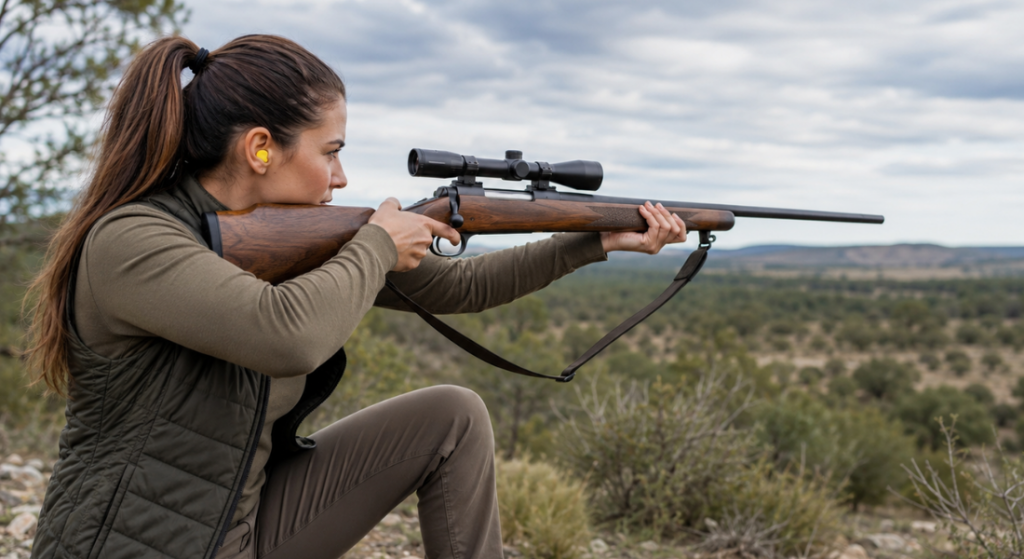
These shooting headphones are classic plugs, simple, cheap, and useful. Every shooter should keep foam plugs in a range bag, truck, and gear case. They are also one of the easiest ways to add protection under electronic muffs.
| Pros | Cons |
|---|---|
| 29 dB NRR gives strong basic protection for shooting | MMust be inserted correctly or NRR drops fast |
| Great for double protection under earmuffs at indoor ranges | Blocks speech and range commands more than electronic muffs |
| Cheap, lightweight, and easy to keep in a range bag | |
| Soft foam fit works well for long shooting sessions |
Best for: Backup protection, guests, double protection, and indoor ranges.
6. SureFire EP4 Sonic Defenders Plus
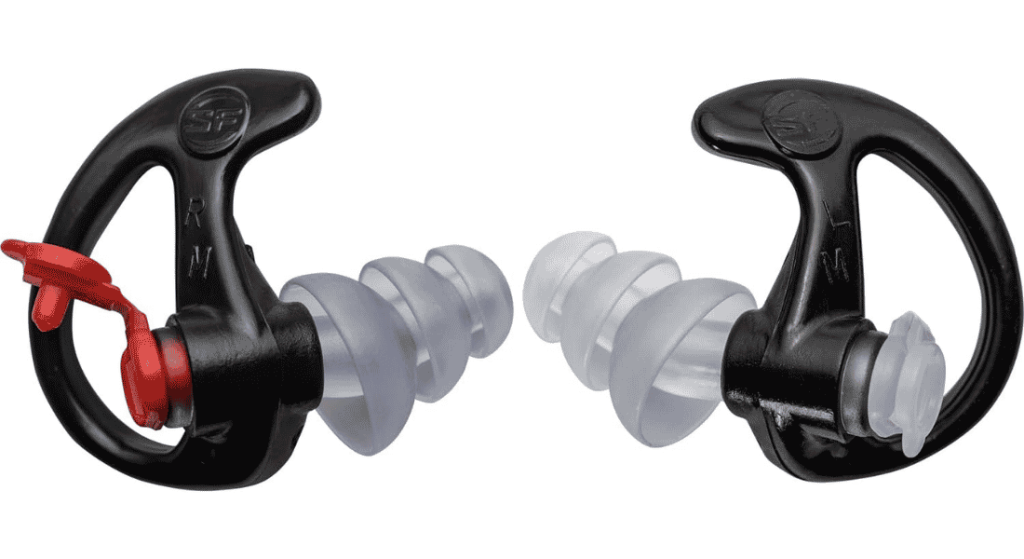
SureFire EP4 earplugs are reusable, filtered earplugs built for people who want some awareness while still reducing dangerous sound. They are popular with hunters, tactical shooters, and people who dislike earmuff bulk.
| Pros | Cons |
|---|---|
| 24 dB NRR with filter caps inserted works for basic outdoor shooting protection. | Not enough alone for indoor ranges or loud rifles. |
| Triple-flange tips help create a more secure in-ear seal. | Fit can be uncomfortable if the ear size is wrong. |
| Filter caps allow safer hearing control while keeping some awareness. | |
| Reusable design is good for range bags, hunting, and repeated shooting use. |
Best for: Hunting, outdoor shooting, people wearing hats or helmets.
7. Safariland Pro Impulse Earplugs
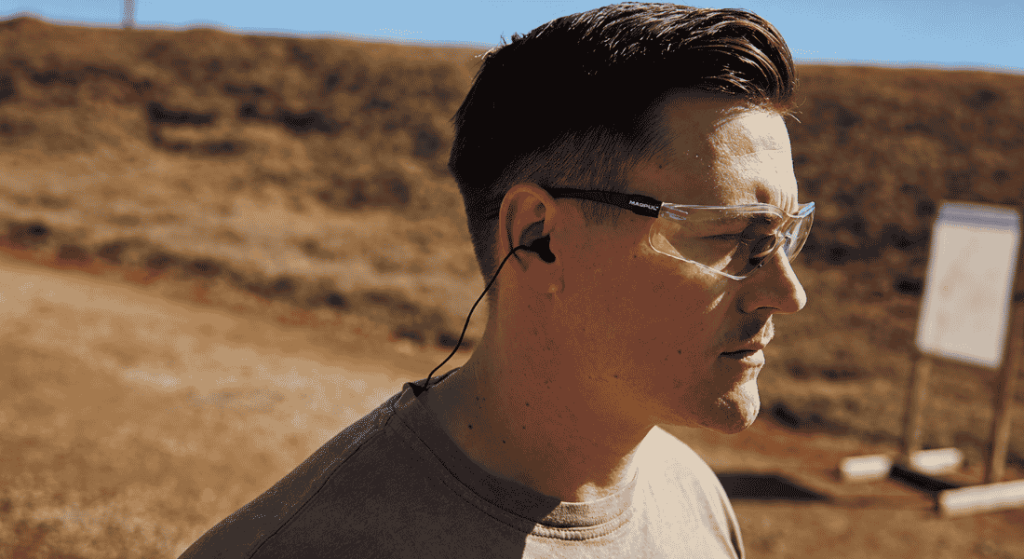
Safariland Pro Impulse plugs are designed for impulse noise and compact carry. They are useful when shooters want less bulk than earmuffs while still getting strong-listed protection.
| Pros | Cons |
|---|---|
| High NRR rating makes it useful for shooting protection. | Fit must be tight or the real protection drops. |
| In-ear design works well with rifles, hats, and shooting glasses. | Not ideal alone for very loud indoor ranges or braked rifles. |
| Reusable earplugs are practical for regular shooting range use. | |
| Keychain case makes them easy to carry as backup hearing protection. |
Best for: Hunting, outdoor ranges, compact kits, and shooters who dislike earmuffs.
Earplugs vs Earmuffs for Shooting
| Type | Strength | Weakness | Best Use |
|---|---|---|---|
| Foam earplugs | High NRR, cheap, compact | Easy to insert poorly | Indoor range, backup, double protection |
| Molded earplugs | Better comfort and repeatable fit | Fit process matters | Frequent shooters |
| Filtered plugs | Better awareness | Often lower NRR | Hunting and outdoor use |
| Passive earmuffs | Simple and reliable | No sound amplification | Budget protection |
| Electronic earmuffs | Hear commands and ambient sound | Often lower NRR than plugs | Ranges, training, instruction |
| Dual protection | Best safety margin | Less natural hearing | Indoor shooting and loud firearms |
Common NRR Mistakes Shooters Make
The first mistake is buying electronic muffs only because they look tactical. Check the NRR first. Some slim electronic muffs are comfortable, but not enough alone for indoor shooting.
The second mistake is wearing foam plugs halfway. Foam plugs need to be rolled tightly, pulled into the ear canal, and held while they expand. If they stick out too far, they are not giving their listed rating.
The third mistake is breaking the earmuff seal. Safety glasses with thick arms, hats, hair, and poor headband tension can create gaps. Even a small leak can reduce protection.
The fourth mistake is ignoring other shooters. The gun beside you can be louder in your ear than your own firearm, especially on a crowded line.
The fifth mistake is assuming suppressors remove the need for hearing protection. Suppressors can reduce sound, but many suppressed firearms can still produce hazardous levels.
Final Recommendation
To conclude, for outdoor casual shooting, use quality electronic earmuffs with at least NRR 22 to 25. For indoor ranges, rifles, muzzle brakes, short barrels, AR pistols, shotguns, or long sessions, use NRR 29 to 33 plugs under electronic earmuffs. For the best balance, carry both: disposable foam plugs for maximum protection and electronic muffs for communication.
The best answer for what NRR rating you should choose for shooting is not about deciding on a single number. Instead, it is the right combination of NRR, fit, firearm type, range environment, and shooting volume. For shooters, hearing damage is permanent. Protect your ears before the first shot.
FAQs
For most shooting, use at least NRR 22-25 earmuffs or NRR 29-33 earplugs. For indoor ranges, rifles, muzzle brakes, or AR pistols, use double protection, meaning foam earplugs under earmuffs.
A higher NRR usually gives better noise reduction, but only if the ear protection fits correctly. Poorly inserted earplugs or earmuffs with a broken seal can perform much worse than their listed NRR.
Yes, electronic earmuffs can work for outdoor shooting, especially if they have NRR 22 or higher. For indoor ranges or loud firearms, they should be paired with foam earplugs for stronger protection.
A common formula is (NRR – 7) ÷ 2. For example, a 29 dB NRR earplug gives about 11 dB of estimated real-world reduction, not the full 29 dB.
Earplugs often have a higher NRR, while earmuffs are easier to use, and electronic models help you hear range commands. The best setup for serious shooting is usually earplugs plus electronic earmuffs.