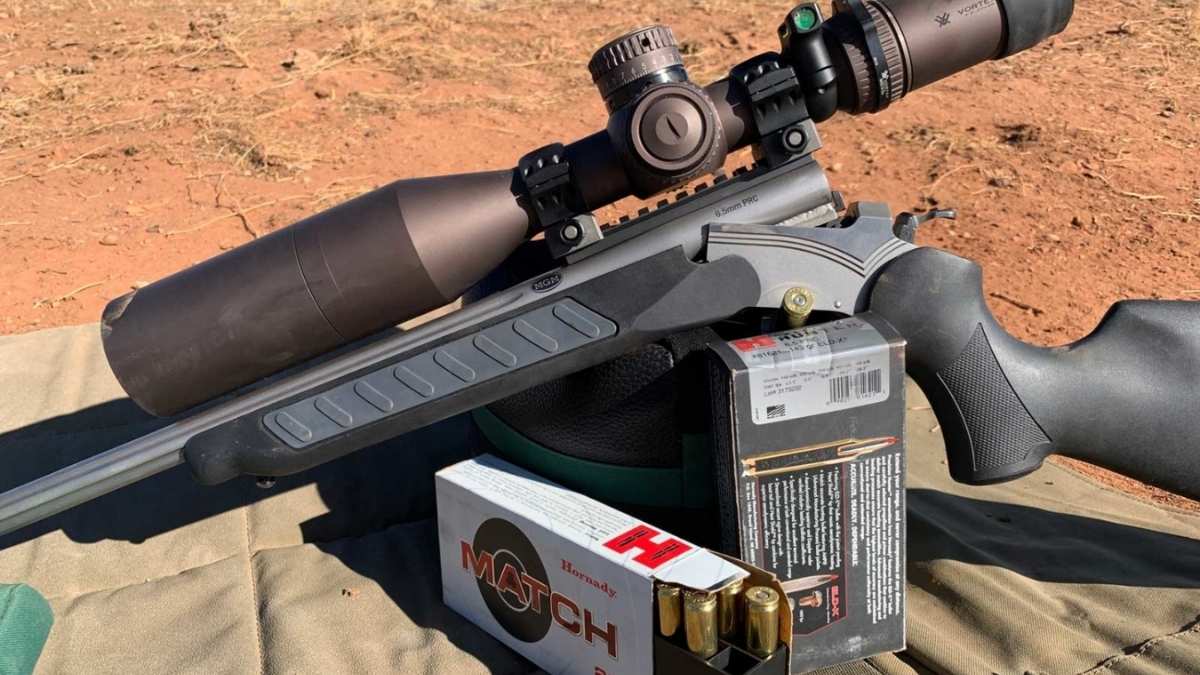
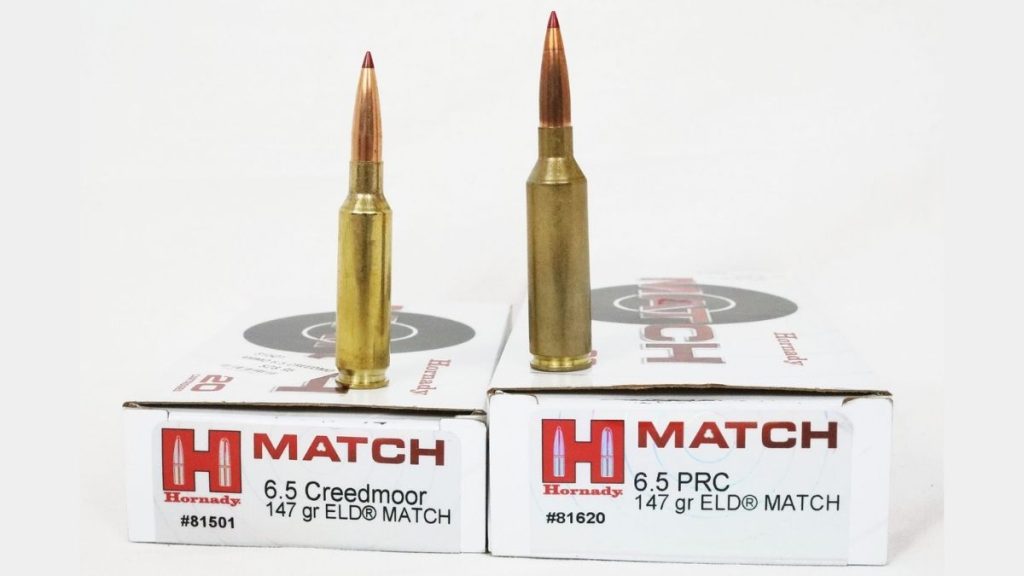
The 6.5 PRC (Precision Rifle Cartridge) is a high-velocity, short-action cartridge built for long-range hunting and competition. Hornady introduced it in 2018. With the same 147 grain bullet, it runs about 215 fps faster than the 6.5 Creedmoor and carries roughly 17 percent more muzzle energy.
That speed has a price in recoil, barrel life and ammo cost. I tested the PRC for velocity, accuracy, wind performance, terminal effect and field use. This review covers what held up and what to weigh before buying one.
6.5 PRC at a Glance
The PRC fires the same .264 inch bullets as the Creedmoor. The difference is a longer, higher-pressure case that burns more powder. The 6.5 PRC is based on the .300 Ruger Compact Magnum (RCM) case, and the design came out of a collaboration between GA Precision and Hornady.
| Specification | 6.5 PRC |
|---|---|
| Introduced | 2018 |
| Parent case | .300 Ruger Compact Magnum |
| Bullet diameter | 0.264 in (6.7 mm) |
| Case length | 2.030 in (51.6 mm) |
| Overall length | 2.955 in (75.1 mm) |
| Maximum pressure | 65,000 psi |
| Action and bolt face | Short action, magnum bolt face |
6.5 PRC cartridge specifications.
Overall length and the 2018 launch match the published 6.5 PRC cartridge entry.
How I Put the 6.5 PRC to the Test
I wanted to know whether the cartridge lives up to its reputation. So I tested speed, precision, wind performance, terminal effect, hunting use and wear, one at a time.
Chasing Speed: The Velocity Test
I set up a chronograph and fired factory 143 grain ELD-X loads. They averaged about 2,960 fps, in line with the published factory figure. That is fast for a short-action cartridge.
The table below shows published factory data for the two most common PRC loads, fired from a 24 inch test barrel. Both keep strong energy well past 500 yards.
| Load | Muzzle | 300 yards | 500 yards |
|---|---|---|---|
| 143 gr ELD-X, velocity | 2,960 fps | 2,519 fps | 2,248 fps |
| 143 gr ELD-X, energy | 2,782 ft-lbs | 2,014 ft-lbs | 1,604 ft-lbs |
| 147 gr ELD Match, velocity | 2,910 fps | 2,518 fps | 2,275 fps |
| 147 gr ELD Match, energy | 2,764 ft-lbs | 2,069 ft-lbs | 1,689 ft-lbs |
Factory 6.5 PRC data, 24 inch test barrel.
Against the Creedmoor with the same 147 grain bullet, the PRC gains about 215 fps, or roughly 8 percent. The energy gap is larger because energy rises with the square of velocity. For the full comparison, see the 6.5 PRC vs 6.5 Creedmoor guide.

The Precision Challenge: Accuracy at Long Range
Speed means little if the rifle cannot group. I mounted a Leupold Mark 5HD scope and fired at 100 yards. My best group measured about 0.5 MOA, tight enough to cover with a dime.
I then stretched the rifle out to 1,000 yards. The groups opened up as expected, but stayed close to a minute of angle in calm conditions. Results will vary with the rifle, the load and the shooter.
Testing Stopping Power: Penetration & Energy Transfer
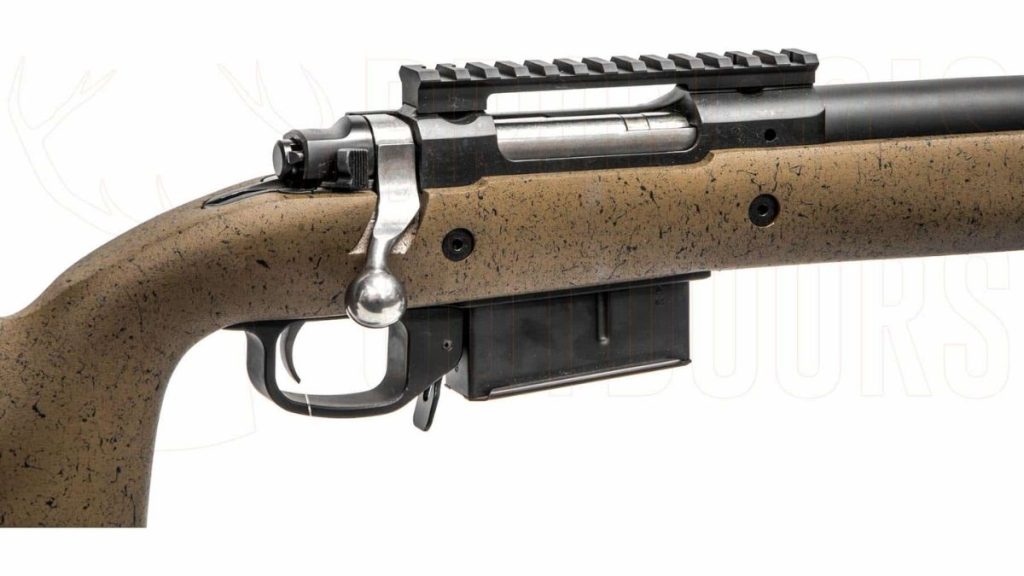
Numbers on paper are one thing, real-world impact is another. To test stopping power, I lined up ballistic gel blocks and steel plates at different distances. The first shot into the gel expanded beautifully, creating a massive wound cavity, exactly what you want in a hunting round. But the real shocker? At 500 yards, it punched clean through half-inch AR500 steel, a feat not many short-action cartridges can claim.

The Wind Factor: Stability in Harsh Conditions
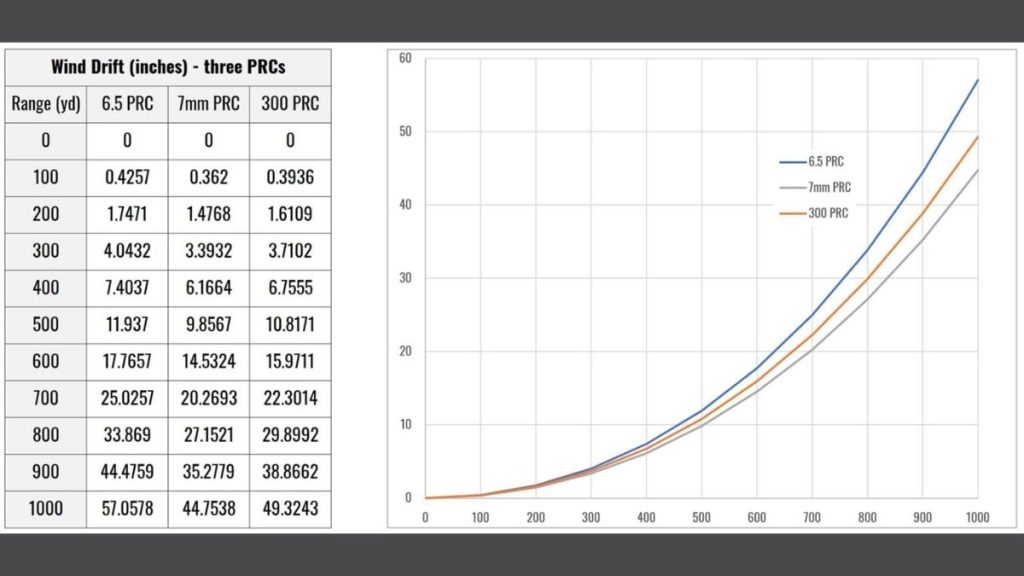
Next, I wanted to see how well it handled the unpredictability of wind. I set up at a long-range facility on a windy 15 mph day, expecting the usual struggles. But to my surprise, the high ballistic coefficient of the bullets kept drifting to a minimum, far outperforming standard hunting rounds. Even in shifting gusts, I was still landing consistent shots at 800 yards.
Field-Proven: Hunting Test in the Wild
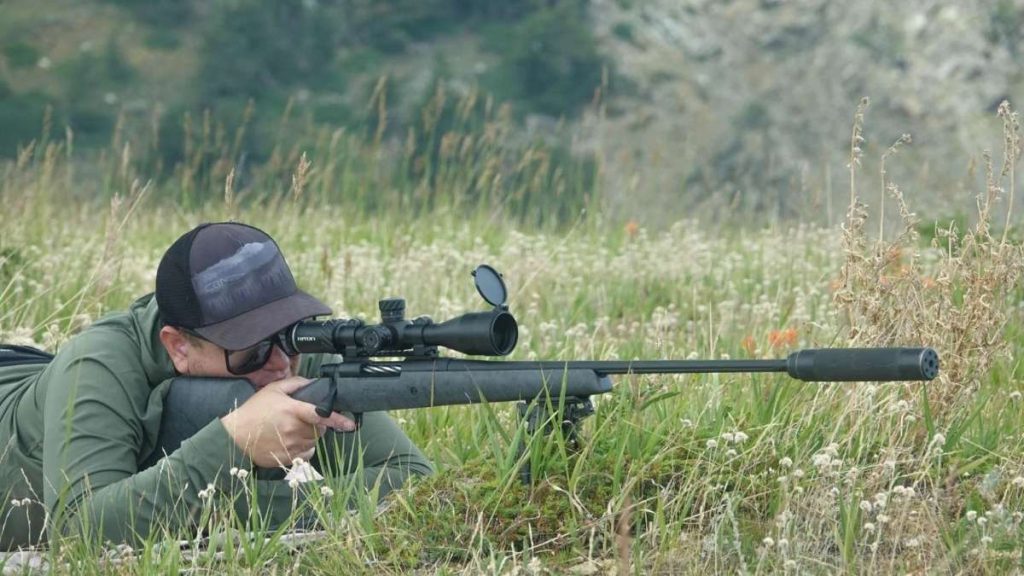
The field is the real test for a hunting round. At 300 yards, I took a whitetail with a single shot. The bullet expanded well and the deer dropped on the spot.
On an elk hunt, I took a shot at 600 yards with the same rifle. It was a clean, ethical kill, but that distance is near the limit of what the numbers support. Hunters weighing larger game can also read the guide to the best calibers for elk hunting.
Durability Check: Barrel Wear & Rifle Compatibility
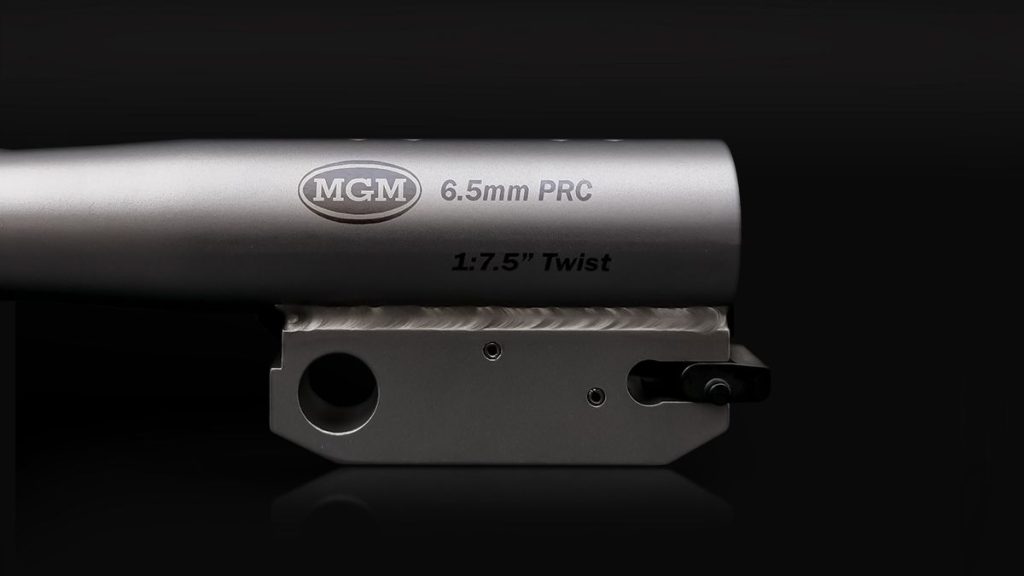
I fired several hundred rounds through more than one rifle. I did not see accuracy fall off in that time, and the rifles cycled smoothly. That does not mean the PRC is easy on barrels.
Higher pressure and a larger powder charge generally wear a throat faster than the Creedmoor does. The difference shows up over thousands of rounds, which is why high-volume competitors notice it and most hunters do not.
Rifle choice is wider than it used to be. Bergara, Christensen Arms, Browning, Ruger and Savage all offer PRC rifles. Because of the magnum bolt face and longer magazine, a PRC usually cannot be built on a standard .308 action.
6.5 PRC vs 6.5 Creedmoor in Brief
The 6.5 Creedmoor is the obvious rival. The PRC wins on velocity, energy and long-range drop. In my calculations, it lands about 1.4 mil flatter at 1,000 yards with the same bullet.
The Creedmoor wins on recoil, ammo price, ammo choice and barrel life. Published free-recoil estimates put the Creedmoor at roughly 15 to 17 ft-lbs and the PRC at roughly 19 to 22 ft-lbs in typical rifles. Rifle weight, brakes and suppressors change what you feel.
Ammo is the practical gap. PRC ammunition costs more and is sold in fewer loads, so check what your local store stocks before choosing the cartridge.
Final Verdict: Is the 6.5 PRC Worth It?
After testing the PRC at the range and in the field, I rate it highly. It combines high velocity, strong energy retention and excellent accuracy in a short action. It suits shooters who regularly take shots past 500 yards and hunters who want elk-class energy farther out.
It is not for everyone. If recoil, barrel life and ammo cost matter more than the last few hundred yards of reach, the Creedmoor is the easier cartridge to live with. Anyone in the middle should rent or borrow a PRC rifle first.
FAQs
It offers higher velocity, flatter trajectory, and more energy retention than the 6.5 Creedmoor, making it ideal for long-range shooting and big game hunting.
You can find 6.5 PRC ammo at most major retailers like Cabela’s, MidwayUSA, Sportsman’s Warehouse, and online stores like Brownells and OpticsPlanet.
Many top brands, including Bergara, Christensen Arms, Browning, Ruger, and Savage, offer rifles chambered in 6.5 PRC, making them widely accessible.
Typically effective out to 1,000 – 1,200 yards on deer-sized game under ideal conditions; many hunters extend its range to about 1,000 yds and beyond (~1,200 yds) when the setup and environment are optimal.
While accuracy varies, many shooters favor Seekins Precision for out-of-box sub-MOA performance. One forum user noted:
“Seekins Precision hands down… flat out shoot… not 1 MOA or .5 MOA”.
Outdoor Life also praises the Seekins Havak HIT, reporting ~0.5 MOA groups in testing.
Ballistically, it aligns closely with 6.5 SAUM, 6.5-284 Norma, and 6.5 Weatherby RPM. Compared to 6.5 Creedmoor, it delivers ~200–250 fps more velocity and approaches .270 Winchester-level downrange energy.
In raw muzzle energy, they’re quite close. .308 averages ~2,800 ft‑lbs vs 6.5 PRC at ~2,780 ft‑lbs. But the 6.5 PRC maintains velocity and energy better at longer ranges due to its higher ballistic coefficient.
Not at all, it’s a popular elk-caliber, particularly for long-range. It delivers over 2,100 ft‑lbs at 100 yds and retains ~1,500 ft‑lbs at 500 yds, meeting ethical standards for elk when paired with proper bullets and shot placement. That said, some prefer .308 for its proven track record and shorter barrel wear
It depends on the use case:
Beyond 500 yds → 6.5 PRC offers flatter trajectory & slight energy edge.
Recoil & ammo cost → Creedmoor is milder (≈17 ft‑lbs vs PRC ≈21–22 ft‑lbs) and much cheaper & more available.
Barrel life → PRC wears barrels faster due to higher pressures; Creedmoor lasts longer.
General purpose → Creedmoor is excellent to ~500 yds, PRC shines for mid-to-long-range and heavier game.