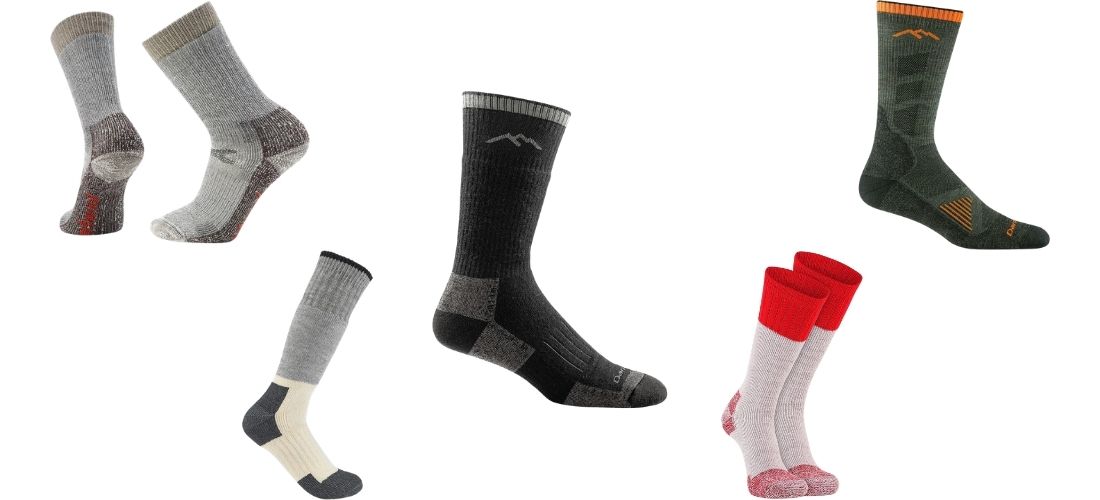
The best hunting socks depend on your boots and how much you move. I’d start with the Darn Tough 2012 for cool-weather versatility, Smartwool for thick cushioning during colder waits, and Darn Tough 2108 for active hunts.
Think thicker socks are always better? Not if they make your hunting boots too tight.
Read on for the best pair of socks you can have this hunting season!
How I Selected These Hunting Socks
I compared model-specific construction, cushioning, intended coverage and practical fit concerns. My aim was to give you distinct choices for active hunts, colder waits and general winter boot use, while keeping the main weaknesses visible.
This is a research-based assessment. I haven’t checked them for drying speed or insulation. I kept the selection focused on conventional socks rather than the heated models.
For me, the best hunting socks earn consideration through a useful combination of construction and fit. A heavyweight label, moisture-management name or lifetime guarantee can inform your choice, but none establishes comfort in your particular boots or a dependable temperature limit for your hunt.
Compare the Best Hunting Socks
I’ve separated the best options here by intended use, coverage and the drawback most likely to affect your decision. Know that the best socks for a long walk/hike may be a poor match for a tight boot or a stationary winter hunt.
| Rank | Exact model and variant | Hunting use | Height and cushioning | Main drawback | Price |
|---|---|---|---|---|---|
| #1 | Darn Tough 2012, Charcoal, Large | Cool-weather walking and shorter waits | Boot height; midweight, full cushion | Snug arch; variable cuff hold | See Amazon Price |
| #2 | Smartwool Hunt Classic SW001879, Black, Medium | Colder hunts with less sustained walking | Tall crew; maximum cushion | Padding takes up boot space | See Amazon Price |
| #3 | Darn Tough 2108, Forest, Large | Active, milder-weather hunts | Boot height; lightweight, targeted cushion | Snug entry; limited winter insulation | See Amazon Price |
| #4 | Carhartt Arctic SB9110-M, Heather Black, Large | Winter work and hunting | Boot sock; heavyweight, cushioned | Bulk, cuff fit and wear concerns | See Amazon Price |
| #5 | Fox River Outlander 7586, Grey, Medium | Shorter cool outings and camp tasks | Mid-calf; heavyweight padding | Roomy fit can bunch; sweaty feel | See Amazon Price |
Note: Check the selected size, color and number of pairs before ordering.
The Best Hunting Socks I’d Choose
The best hunting socks in this review each have a particular role.
Darn Tough 2012 handles all-around hunts, Smartwool suits cold sits, and Darn Tough 2108 works best for active hunts. Carhartt is built for serious winter cold, while Fox River offers a more affordable option for shorter, cool-weather hunts.
Darn Tough 2012 Boot Full Cushion Midweight, Charcoal, Large
Highlight: A versatile choice for cool-weather hunts in lace-up boots.
Key features: Midweight Merino wool blend • Full cushioning • Boot height • True Seamless toe
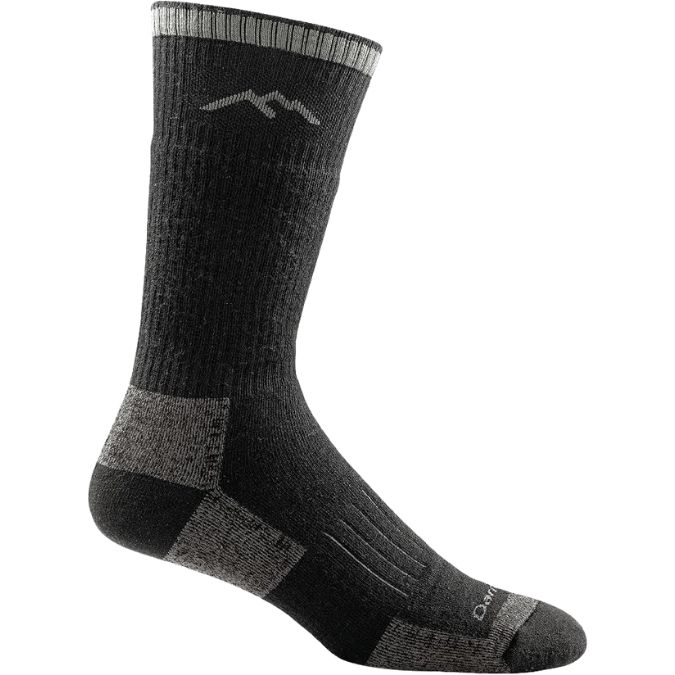
I’d put the Darn Tough 2012 near the top of your list if you want one sock for cool-weather walking, scouting and shorter waits. Its midweight knit and full cushioning give it a useful middle ground between a thin hiking sock and a heavily padded winter option. Boot height provides coverage above many standard hunting boots, although it is not a substitute for an over-the-calf sock in taller footwear.
The Charcoal color is straightforward, and the Large size should be chosen using Darn Tough’s size chart rather than your usual sock label alone.
What appeals to me is the combination of a smooth toe, cushioning throughout the sock and a close fit that limits excess fabric inside the boot. The Merino blend makes sense for a hunting day that starts with a walk and ends with time standing around. I also value the Vermont manufacturing and lifetime guarantee when weighing the initial cost. Those features give you a stronger reason to consider the 2012 than warmth alone. I would still judge the fit in your actual boots: full cushioning describes where the padding sits, not a promise of a particularly thick or pillowy feel.
My main reservation is the snug arch and foot fit. It can feel restrictive, while the cuff may still slip on some legs, so I would not assume that a close-fitting foot guarantees a secure calf. Warmth is also conditional; this is not my choice for solving persistent cold feet during long stationary hunts simply by adding a thicker sock. Make sure your toes still have room once the boots are laced.
I’d choose the 2012 for its balance of cushioning, construction and everyday hunting usefulness, but skip it if you want a loose tube-sock feel or maximum winter loft.
Pros and Cons
| Pros | Cons |
|---|---|
| Full cushioning for a padded boot interface | Snug arch can feel restrictive |
| Smooth toe construction reduces seam bulk | Cuff security varies with leg shape |
| Merino blend suits changing activity levels | |
| Vermont-made with a lifetime guarantee |
Best for: Hunters wanting a midweight, fully cushioned sock for cool-weather scouting, walking and general boot use.
Skip if: You prefer a loose fit or need a dedicated sock for prolonged, very cold sits.
Smartwool Hunt Classic Edition Maximum Cushion Tall Crew, Black, Medium
Highlight: A warmth-and-padding option for colder hunts with less sustained walking.
Key features: Style SW001879 • Maximum cushioning • Tall crew height • Merino wool blend • Flat knit toe seam
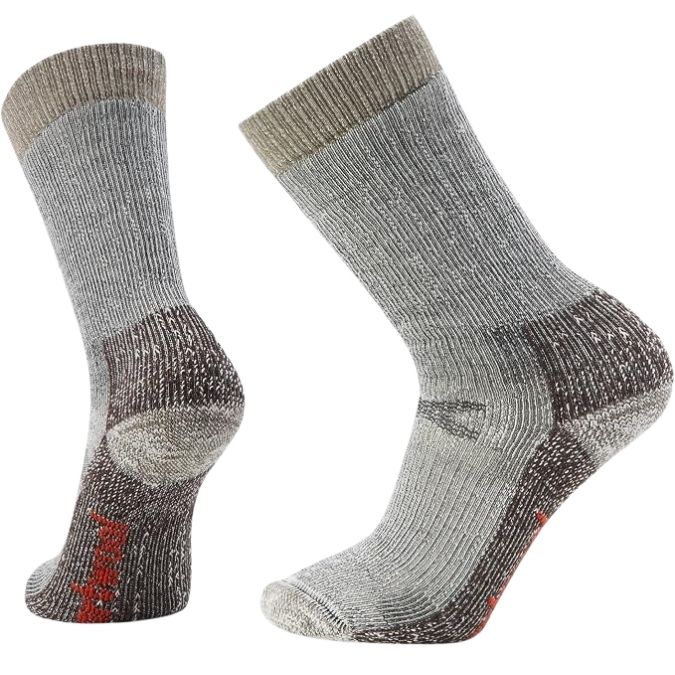
For a cold hunt where cushioning matters more than a slim fit, I’d consider the Smartwool Hunt Classic Edition Maximum Cushion Tall Crew. This is the SW001879 in Black, Medium, with substantial padding and a taller crew cut. It’s a sensible candidate for time in a blind or on a stand, provided your boots have space for it. You should not treat tall crew as over-the-calf coverage, however. Check where the sock finishes against your boot shaft before choosing it for taller hunting footwear.
The broad cushioning is the main reason I’d choose this model. It puts a soft layer between your foot and boot rather than concentrating only on a thin, low-bulk feel. The flat knit toe seam is another useful detail when you will be wearing the same boots for hours.
I like the Merino blend for this application, but I would base the purchase on the whole combination of thickness, comfort and fit. If your usual hunting socks feel too thin, this is the kind of construction worth trying before adding a second heavy pair. You still need to leave enough room inside the boot for comfortable movement.
My hesitation is that maximum cushioning can be too much sock for a close-fitting boot or a warm, strenuous approach. I would not buy it as an all-season default, and I would not promise that its thicker feel will keep every hunter warm for an entire sit. The price also makes it a more deliberate purchase than a basic spare pair. Check the Medium sizing carefully instead of assuming the stretch will compensate for a poor match.
I’d keep this Smartwool on the cold-weather shortlist if you actively want thick padding, and I’d pass if you need a thin sock for faster walking or minimal space inside your boots.
Pros and Cons
| Pros | Cons |
|---|---|
| Substantial cushioning for a plush feel | Thick padding takes up boot space |
| Tall crew coverage above a standard crew cut | Premium cost for a specialized cold-weather sock |
| Flat toe seam limits seam bulk | |
| Merino blend suited to cold-weather layering |
Best for: Hunters who prioritize thick cushioning for colder days and have room for it in their boots.
Skip if: Your boots already fit tightly or most of your hunting involves warm-weather walking.
Darn Tough 2108 Boot Lightweight with Cushion, Forest, Large
Highlight: A lighter option for active hunts and warm early-season days.
Key features: Style 2108 • Lightweight Merino blend • Targeted cushioning • Ventilated knit • Boot height • True Seamless toe
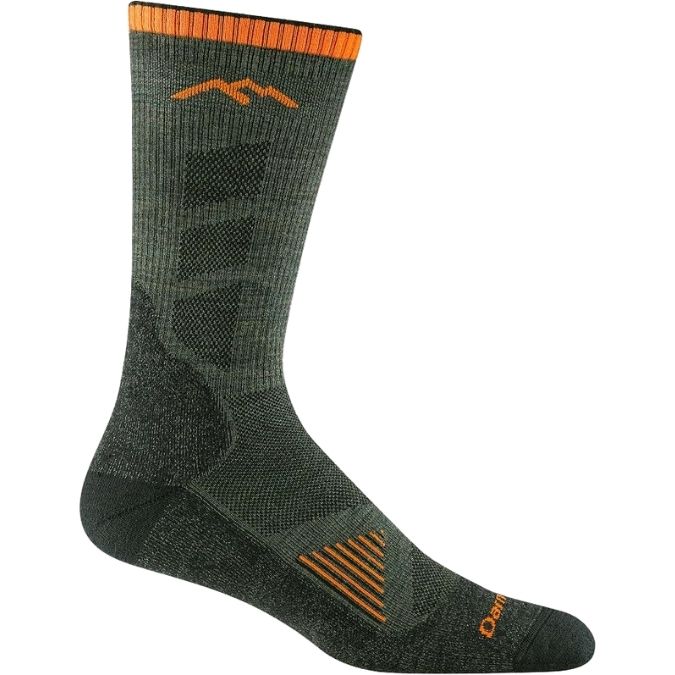
I’d choose the Darn Tough 2108 for an active hunt where avoiding unnecessary bulk matters more than adding winter insulation. The Forest, Large version combines a lightweight knit with cushioning in selected areas, so you do not have to move straight from a thick hunting sock to an almost unpadded one. Its boot-height cut is useful with standard field boots. For an early archery hunt or a day spent moving between scouting spots, that combination makes more sense to me than choosing the heaviest sock simply because it is sold for hunting.
The ventilation and targeted cushioning are the features I find most useful here. You get padding underfoot and protection around key contact areas without making the entire sock a thick winter layer. A smooth toe finish also avoids adding a bulky seam at the front of your boot.
I like that the model is designed around active hunting rather than warmth alone. The Merino blend is another practical part of that design, though I would not expect any sock to keep your feet completely dry in every boot. A close fit matters just as much as the fiber choice when you are walking for hours.
My main caution is sizing. The 2108 can feel snug and difficult to pull on, so you should check the foot and calf fit before committing to a full day outdoors. Lightweight also means you should not expect the substantial padding or insulation of a heavyweight winter sock. I would choose it for movement and moderate conditions, not as my first answer to long, freezing waits. Darn Tough’s lifetime guarantee adds value, but I would still judge the sock on its fit, as we should.
If you want a lighter hunting sock with some cushioning, this is a focused option.
Pros and Cons
| Pros | Cons |
|---|---|
| Lightweight construction limits overall bulk | Snug fit can make it difficult to pull on |
| Targeted cushioning retains underfoot padding | Limited insulation for long cold-weather sits |
| Ventilation suits active hunting | |
| Smooth toe construction avoids a bulky seam |
Best for: Active hunters who want a lighter, cushioned boot sock for early-season outings and scouting.
Skip if: You want a loose-fitting sock or thick insulation for long periods without moving.
Carhartt Arctic Heavyweight Merino Wool Blend Boot Sock, Heather Black, Large
Highlight: A thick boot sock for hunters who also spend winter days working outdoors.
Key features: Style SB9110-M • Heavyweight wool blend • Heel, arch and toe cushioning • Reinforced wear areas • Ribbed ventilation channels
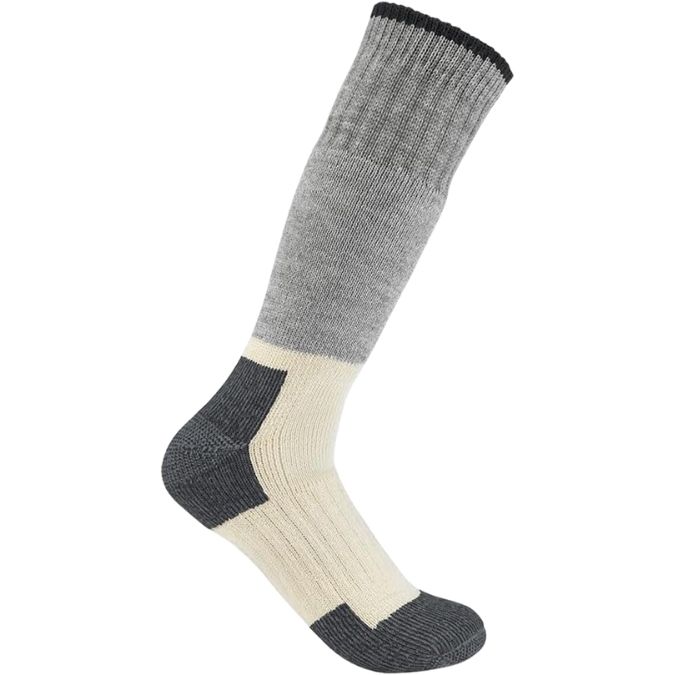
I’d consider the Carhartt Arctic Heavyweight if you want one substantial sock for winter chores, outdoor work and cold-weather hunting. The Heather Black, Large version is built around a thick wool blend and cushioning across several contact areas. That gives it a different appeal from a lightweight sock chosen for fast walking. You need a boot with enough internal room to accommodate the padding. I would check that first, because the same thickness that feels comfortable in a roomy winter boot can become awkward in a closer-fitting hunting boot.
The cushioning is the strongest reason for me to keep this model in the lineup. Padding through the heel, arch, toe and leg makes it a practical option when you spend long stretches in boots. An enhanced heel pocket and ribbed ventilation channels are useful construction details too, although they do not guarantee that the sock will stay perfectly positioned or prevent sweating.
I like the work-and-hunting crossover, too: you do not need a separate occasion to make use of a substantial winter sock. If your preference is for a soft, thick feel instead of a close, low-bulk knit, the Carhartt deserves consideration.
My reservations are cuff fit and wear life. The cuff can feel tight on some legs yet slip on others, and I would not equate heavyweight fabric with guaranteed long-term durability. Early thinning or holes are possible, particularly in the sole, heel and toe areas. Warmth during outdoor work also does not automatically translate into enough warmth while sitting motionless on a deer stand.
I’d choose this sock for roomy boots and mixed winter use, then assess whether it suits your own activity level. I would be less inclined to choose it if reliable calf hold, minimal bulk or a long service life under hard daily use is your main priority.
Pros and Cons
| Pros | Cons |
|---|---|
| Thick cushioning across multiple contact areas | Bulky knit and variable cuff fit |
| Wool blend designed for cold-weather comfort | Wear areas can develop early holes |
| Enhanced heel pocket helps locate the foot | |
| Useful for both outdoor work and hunting |
Best for: Hunters who also work outdoors and prefer a thick, cushioned sock in roomy winter boots.
Skip if: You need low bulk or prioritize dependable calf hold and durability under heavy daily wear.
Fox River Wick Dry Outlander 7586, Grey, Medium
Highlight: A lower-cost heavyweight option when padding matters more than a close fit.
Key features: Style 7586 • Heavyweight construction • Mid-calf height • Acrylic and wool blend • Reinforced heel and toe • Flat toe seam
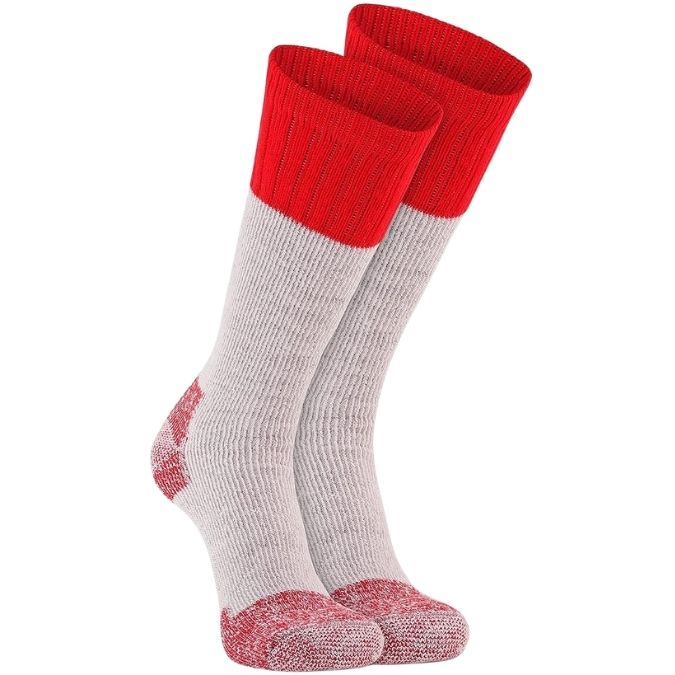
The Fox River Wick Dry Outlander is the option I’d consider when you want substantial boot padding without moving straight to a premium Merino sock. This selection is model 7586 in Grey, Medium. It uses a predominantly acrylic blend with wool and a thick, thermal-lined construction. I would treat it as a heavyweight mid-calf sock, not a knee-high option. That comes into the game if you’re pairing it with tall hunting boots: the name alone should not decide whether the sock will cover the part of your leg that touches the boot cuff.
What I like here is the straightforward emphasis on cushioning. The thick knit can help fill a roomy boot, while the reinforced heel and toe and flat toe seam are useful features for regular wear. I’d consider it for shorter cool-weather outings, camp tasks or general outdoor work when a plush feel matters to you. I would also judge its value by the confirmed price per pair. Before ordering, check the stated number of pairs carefully; a two-sock package is one pair, and that can change whether the offer is actually good value.
My biggest concern is excess fabric and inconsistent hold. If the sock is too roomy, the heel can shift, the cuff can loosen and material can bunch inside your boot. I would not automatically size up for warmth. Moisture management is another limit: the Wick Dry name does not mean your feet will stay dry during a hard approach, and the thick construction can feel sweaty. I would also inspect the knit for snags or early fraying rather than assuming reinforcement makes the whole sock equally durable.
I’d choose the Outlander for affordable padding in a boot that accommodates it, but I’d look elsewhere for a precise fit, dependable sweat control or extended cold stationary hunts.
Pros and Cons
| Pros | Cons |
|---|---|
| Heavy cushioning suits roomy boots | Roomy fit can loosen or bunch |
| Reinforced heel and toe | Thick knit can feel sweaty during activity |
| Flat toe seam limits seam bulk | |
| Lower-cost route to a thick boot sock |
Best for: Hunters seeking lower-cost, substantial cushioning for roomy boots and shorter cool-weather outings.
Skip if: You need a close fit, reliable over-the-calf coverage or strong moisture management during hard walking.
How to Choose Hunting Socks for Your Hunt
The best hunting socks should solve the part of your day that causes trouble. Start with the walk, the wait and your existing boots before comparing brands or adding another layer.
Match Sock Weight to Movement and Waiting
Think about the whole outing, including the approach and return. A short walk to a cold blind asks something different from climbing repeatedly during an early-season hunt, even when both trips begin on a chilly morning.
The distinction between still hunting versus tree stand hunting helps frame that decision. I’d identify how long you expect to move and how long you expect to wait, rather than choosing socks from the forecast alone.
Within this lineup, I’d consider the 2108 for lighter coverage during movement and the 2012 for a cool-weather middle ground. Smartwool and Carhartt deserve a look when substantial padding fits both the conditions and your boots.
| Hunt pattern | Priority | Construction to consider | Fit check |
|---|---|---|---|
| Active, mild weather | Manage bulk and sweat | Lightweight with targeted cushion | No folds underfoot |
| Walking and waiting | Balance padding and comfort | Midweight with useful coverage | Secure heel, comfortable cuff |
| Cold stationary sit | Insulation and dry footwear | Heavier cushioning if space allows | Comfortable toe movement |
Match Sock Height and Volume to Your Boots
Height names are a starting point, not a universal measurement. Boot height, tall crew and over-the-calf do not mean the same thing, and your calf length changes where any particular sock finishes.
Try the intended socks with the boots you will actually wear. Our review of the best hunting boots can help you compare footwear if your current pair leaves little room for the sock construction you want.
- Pull the sock on naturally and align its heel with yours.
- Check that the cuff clears the boot collar without stretching the sock excessively.
- Lace or fasten the boot normally, then check toe room and heel movement.
- Walk, bend and use a step to check for folds, sliding or pressure.
I would repeat that check with your usual insoles. Adding a thicker insole and a heavier sock at the same time changes the available space, so do not judge either item independently.
If coverage falls short, choose a genuinely taller model. Pulling a shorter sock hard up your calf is not a reliable substitute for enough length.
Choose Materials for Moisture Management
Merino wool socks commonly combine wool with synthetic fibers. Wool contributes comfort and temperature management, nylon adds durability, and elastic fibers help the knit retain its shape; the finished blend matters more than a single ingredient.
Moisture-wicking hunting socks still depend on the footwear around them. Moving moisture away from your skin is different from keeping outside water out, and none of these picks should be treated as a waterproof barrier.
I’d avoid making an ordinary cotton sock my default for a sweaty approach followed by a cold wait. More importantly, I would look at when your current setup becomes damp: during the climb, in wet grass or after water enters over the boot opening.
Separate Cushioning from Fabric Weight
Weight describes the sock’s overall construction; cushioning describes the padding you receive and where it sits. A lightweight sock can have targeted cushioning, while a fully cushioned model spreads padding across a larger area.
The 2108 and 2012 make that point useful within this list. I’d compare their lighter targeted construction and midweight full cushioning before assuming that either label tells you exactly how the sock will feel.
Ask where you actually want padding. If your current socks leave excess material over the foot but feel thin underneath, moving to a heavier sock everywhere may miss the problem.
For me, the best socks provide useful cushioning without requiring awkward changes to the boot closure. If you have to loosen the boots excessively or force your foot inside, reconsider the combination before buying several pairs. Extra padding should serve a specific need rather than becoming the purchase goal by itself.
Decide Whether a Liner Helps Your Fit
A liner is optional. I would consider one when you already know that a thin inner layer improves your comfort, but I would not add it automatically to every cold-weather setup.
Try the liner and outer sock together before committing to a long outing. Check whether the heel areas align and whether either layer gathers near the toes when you put your boot on.
Compare that arrangement with a single sock in the same footwear. If the extra layer creates pressure, makes the cuff uncomfortable or complicates putting the boots on, I would reconsider it instead of assuming two layers must work better.
Keep the trial practical: use the actual socks, insoles and boots you plan to take. A comfortable combination in a roomy camp shoe tells you little about its fit in a close hunting boot. Change one part at a time so you can identify what improves the setup.
Compare Durability, Care and Cost per Pair
I’d judge value by how a sock fits your routine, not its price alone. An uncomfortable pair is poor value even if the purchase includes several pairs or a substantial discount.
Check the offer’s quantity carefully: two individual socks make one pair of course. Compare like-for-like sizes and confirmed pack quantities before deciding which option costs less, especially when listings offer several variations.
A warranty belongs in that calculation, but it does not remove the inconvenience of dealing with a worn pair. I would also consider whether the care instructions work with your usual washing routine.
During regular use, inspect heel and toe areas, the sole and cuff recovery. Heavyweight fabric and reinforced panels are useful details, but I would not treat either as a promise that every part of the sock will last equally long.
Keep Your Socks and Boots Ready Between Hunts
Here’s how you can keep your socks and boots ready between your hunts.
Carry a Dry Spare and Manage Wet Approaches
I would pack a protected dry pair when a damp approach could leave you sitting for hours afterward. Keep it separate from wet clothing so that a spare remains useful when you need it.
Before the walk, consider your pace and clothing layers. Moisture can come from effort inside the boot or rain reaching the opening; suitable hunting rain gear addresses a different problem from a sock chosen to manage sweat.
When practical, check your feet before settling in for a long wait and change damp socks. I’d plan that change somewhere you can keep the replacement pair clear of mud and rain.
Cold weather hunting socks are only part of the waiting setup. Compare the best hunting gloves at the same planning stage, especially if the hand coverage you use while walking is too light for a stationary sit.
Wash Socks and Dry Your Boots Between Hunts
Follow the exact pair’s care label before treating every wool blend alike. I would keep those directions available when buying several models, since one convenient laundry routine may not suit all of them.
For its socks, Darn Tough’s care instructions specify a cold gentle wash inside out, no bleach, and either low tumble drying or hanging to dry. That is a brand-specific example.
Check the whole sock before storing it, particularly thicker areas that may still feel damp. I’d inspect the toe, heel and cuff at the same time so a damaged pair does not become an unwelcome surprise on your next trip.
Give the footwear equal attention. Our guide to cleaning and drying hunting boots covers interiors and removable insoles; use methods compatible with your boot manufacturer’s directions.
Which Hunting Socks Would I Buy?
I’d start with the Darn Tough 2012 for cool-weather walking and shorter waits. I’d choose Smartwool when thick padding is the priority, or the 2108 when lighter construction suits a more active hunt.
Carhartt fits mixed winter work and hunting, while Fox River offers substantial padding for roomier boots and shorter outings. Neither would replace a careful fit check.
The best hunting socks are the pair that fits the job and your footwear. Check the Darn Tough 2012 if that middle-ground option suits you.
FAQs
Are Merino Wool Socks Good for Hunting?
Yes. Merino blends can suit changing conditions, but cushioning, sock height and fit inside your boots matter alongside the fiber choice.
Should You Wear Two Pairs of Socks When Hunting?
Only if the combination fits comfortably. A thin liner is optional; remove a layer if it creates pressure or bunching.
What Sock Height Works with Tall Rubber Hunting Boots?
Choose a sock that clears the boot collar. Check actual coverage on your leg rather than relying on a crew or boot-height label.
Why Do My Feet Get Cold in Thick Hunting Socks?
Dampness, crowded boots, limited boot insulation and long stationary periods can undermine comfort. Extra sock thickness alone does not solve every problem.
Can You Wear Hiking Socks for Hunting?
Yes, if their height, fit and cushioning suit your boots and conditions. The hunting label matters less than the complete combination.