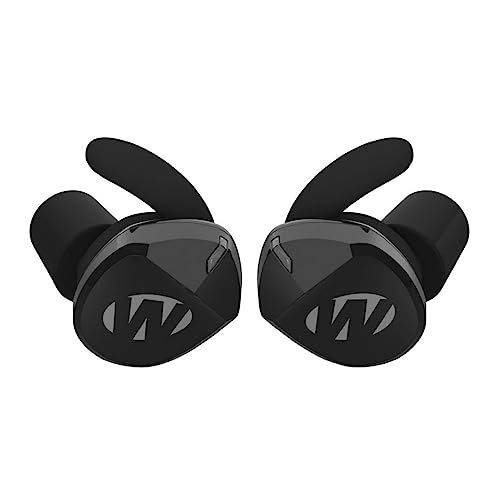
Gunfire can cause permanent hearing damage, but basic plugs can also leave a shooter disconnected from range commands, conversation, and the small sounds that matter in the field. The Pro Ears 28 HTBT takes a different approach: it is compact electronic ear protection designed to reduce hazardous noise while amplifying quieter ambient sound.
This Pro Ears 28 HTBT review examines the rated protection, Bluetooth features, and practical limits of its in-ear design. Its core appeal is straightforward: a claimed 28 dB Noise Reduction Rating, Bluetooth 5.0 connectivity, and up to 5x hearing enhancement in a small in ear format.
That combination makes these a potentially useful option for shooters who dislike the bulk of traditional muffs, need more room around a rifle stock, or want ear protection for shooting that can also handle calls or audio from a paired device. The important caveat is fit, because protection and comfort depend heavily on getting a consistent seal.
I’m Thomas Harvey, and when choosing gear for a hunt, I prioritize dependable fit and clear conversation ahead of a long feature list. Here, I check the Pro Ears specs against real questions about seal, comfort, and sound, so you can judge whether this setup suits your day outdoors.
Quick Verdict
- Best for: Shooters wanting low profile electronic protection
- Not for: Users who prefer simple passive earmuffs
- Standout: 28 dB NRR with Bluetooth capability
- Main drawback: User feedback on comfort and sound varies
Pro Ears 28 HTBT Specs
| Specification | Detail |
|---|---|
| Noise Reduction Rating | 28 dB NRR |
| Hearing enhancement | Up to 5x, manufacturer claim |
| Bluetooth | Bluetooth 5.0 |
| Bluetooth range | Up to 10 meters, manufacturer claim |
| Product dimensions | 6 x 4.25 x 2.05 inches |
| Item weight | 4.16 ounces |
| Model number | PEEBHTBTBLK |
| Charging | USB-C rechargeable battery |
Pro Ears 28 HTBT Review: Key Features
28 dB NRR hearing protection
Pro Ears rates the 28 HTBT at 28 dB NRR. NRR is the published benchmark shoppers use to compare hearing protection, and it matters because firearm reports are far louder than levels considered safe for unprotected ears.
For range use, the value is in pairing meaningful attenuation with a less bulky design than over ear muffs. Shooters should still treat correct insertion and seal as essential, especially around louder firearms, covered indoor bays, and longer strings of fire.
Electronic sound enhancement up to 5x
The manufacturer says the Pro Ears 28 HTBT can enhance hearing by up to five times. That feature is meant to make low level environmental sounds easier to notice while the unit protects against louder noise.
At the range, that can help with hearing instructions and communicating between shooting strings. In hunting use, the same concept may appeal to users who want to preserve awareness of their surroundings without wearing conventional earmuffs.
Dual driver sound design
The Amazon title identifies a dual driver sound design. In practical terms, the product is aimed at delivering amplified sound and Bluetooth audio through a compact electronic hearing protection platform rather than serving only as a passive earplug.
This is most relevant to shooters who care about spoken communication and audio quality as well as attenuation. It also makes fit more consequential, since a poor in ear seal can affect both the perceived sound and the protection the unit can provide.
Bluetooth 5.0 connectivity
Pro Ears lists Bluetooth 5.0 with a claimed operating range of up to 10 meters. That creates the option to connect the ear protection to a compatible device without giving up the product’s stated hearing protection purpose.
For some users, this is useful for calls or audio away from the firing line. On a busy range, the more important consideration remains safety and local range rules, so do not let connected audio interfere with commands or awareness. Our review of the best Bluetooth shooting ear protection helps you weigh other connected options.
Compact in ear form factor
At a listed weight of 4.16 ounces, the Pro Ears 28 HTBT is built around portability. In ear protection avoids the headband pressure and earcup bulk associated with many electronic muffs.
That layout can be particularly helpful with hats, cheek weld on long guns, and glasses, because there are no earcups competing for space at the temples. It will not suit everyone, though, because some buyers simply find in ear devices less comfortable over extended sessions.

How the Pro Ears 28 HTBT Fits Range Days and Field Use
The strongest practical case for the Pro Ears 28 HTBT is a shooter who wants an unobstructed setup. Traditional electronic earmuffs work well for many people, but their cups can interfere with a cap, glasses temples, rifle stock placement, or the side of a hunting blind. A compact in ear design avoids most of those contact points.
For outdoor range days, the claimed sound enhancement is intended to retain more awareness than passive plugs alone. For indoor ranges, 28 dB NRR is a meaningful published rating, but indoor reflections and neighboring shooters create a much harsher noise environment. Users who need the highest possible perceived attenuation may still prefer double hearing protection with plugs and muffs, subject to proper fit and range requirements.
Comfort over several hours is the variable that cannot be determined from a product listing. In ear protection can be excellent for one person and distracting for another. Before relying on it for a major class, match, or hunt, spend time confirming that the earpieces remain secure and comfortable while wearing your usual glasses, hat, and shooting gear. If earbuds remain uncomfortable, check out review of the best shooting earmuffs that covers over-ear alternatives.
Check the Seal and Sound Before Your First Outing
My main reservation is whether the tips and springy loops will stay comfortable while maintaining a complete seal. I would check each ear separately and wear the unit with my usual hat and glasses before committing to a long session.
I would also check speech clarity at each listening setting. Bluetooth convenience has practical value, but I would keep expectations modest for music quality and avoid treating the electronics as a substitute for a properly fitted earplug.
Pros and Cons
| ✓ Pros | ✗ Cons |
|---|---|
| Compact design leaves room for hats, glasses, and rifle stocks | Tips and springy ear loops can cause pressure or fail to maintain a seal |
| Bluetooth pairing is straightforward for calls and streamed audio | Music and amplified sound can be thin, quiet, or staticky |
| Reachable physical buttons simplify volume and mode changes | |
| Sound pickup can make nearby voices easier to follow with a good fit |
The main tradeoff is compact convenience versus fit sensitivity. The Pro Ears 28 HTBT offers electronic features and avoids the bulk of earmuffs, but its real usefulness depends on how reliably it fits your ears and how you respond to its amplified sound.
Who Should Buy the Pro Ears 28 HTBT
Buy it if: You want electronic ear protection in a small in ear package, routinely wear glasses or a hat while shooting, and value Bluetooth capability alongside a claimed 28 dB NRR. It is also a logical candidate for hunters and range users who want more awareness of quieter sounds than passive plugs provide.
Who Should Skip It
Skip it if: You know that in ear products bother your ears, need a no frills passive option, or want the certainty of large over ear cups. Buyers who are particularly sensitive to sound quality or who expect flawless performance without taking time to dial in fit should consider the mixed buyer feedback carefully.
What to Check Before You Buy
- Noise rating needs: Confirm that 28 dB NRR matches your usual shooting environment.
- In ear fit preference: Consider prior experience with earbuds and earplugs.
- Indoor range use: Plan for the greater noise intensity of enclosed firing lines.
- Bluetooth priorities: Decide if connected calls or audio genuinely add value.
- Return terms: Review the seller’s current return process before ordering.
- Test the seal with glasses on: Wear your normal eyewear and hat during the first fitting.
- Start with a short range session: Confirm comfort before a long class or match.
- Keep audio secondary to safety: Make sure range commands remain easy to hear.
Is the Pro Ears 28 HTBT Worth It?
The Pro Ears 28 HTBT is worth consideration for shooters who specifically want compact electronic hearing protection with Bluetooth and a published 28 dB NRR. Its in ear layout is the product’s defining advantage for users tired of the pressure and interference that can come with full size electronic earmuffs.
My Pro Ears 28 HTBT review verdict is cautiously positive for the right fit and use case. The manufacturer feature set is compelling, but the limitations around fit, sound clarity, and value means this is best approached as a fit dependent purchase rather than a universal recommendation.
FAQs
Pro Ears lists the 28 HTBT with a 28 dB Noise Reduction Rating, commonly shortened to NRR. This rating is a useful comparison point when shopping for shooting hearing protection, but real world attenuation depends on obtaining and maintaining a correct in ear seal throughout use.
Yes. The manufacturer lists Bluetooth 5.0 and states a range of up to 10 meters. The feature can be useful for connecting to a compatible device, but shooters should keep safety first and ensure any audio use does not distract from range commands, companions, or changing conditions.
According to Pro Ears, the 28 HTBT provides hearing enhancement of up to five times. The intended benefit is better awareness of lower level sounds while using hearing protection. This may be appealing on a range or in the field, where ordinary conversation and environmental awareness can matter.
The in ear design avoids the earcup and glasses temple contact common with over ear muffs, so it may be a more comfortable option for glasses wearers. Individual comfort still varies, and buyers should test the fit using their normal eye protection, hat, and shooting position before relying on it for longer sessions.
Comfort is not universal. The available buyer summary reports mixed views, with some users finding the earplugs comfortable and others reporting discomfort. Because ear shape and tolerance vary widely, the sensible approach is to verify fit during shorter sessions first, then decide if they work for extended range days or hunting trips.