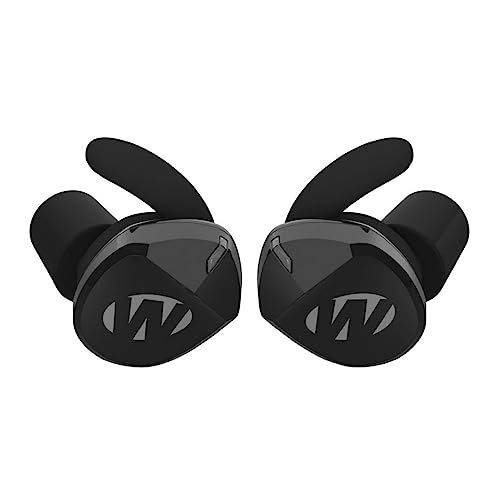
Gunfire is only part of the sound picture at a range or in a blind. You still need to hear an RSO, your hunting partner, a safety command, or movement in the woods. The Pro Ears Stealth 28 is electronic hearing protection built around sound compression and amplified ambient sound, with a compact earbud-style design instead of traditional over-ear muffs.
This Pro Ears Stealth 28 review weighs its 28 dB NRR, 5X amplification, and 18-hour runtime against practical limits. My main concerns are a stable earplug seal, usable sound in wind, and electronics that keep working between outings.
For shooters shopping for ear protection for shooting without the bulk of conventional muffs, the Stealth 28 has a sensible feature set. Just do not let the electronic feature list replace the basic requirement: the plugs must fit securely and seal properly before you rely on them around firearms.
I’m Thomas Harvey, and a hearing protector earns room in my hunting kit when its fit stays secure and its controls make sense. For this review, I use the Pro Ears Stealth 28 specs as a starting point, then weigh comfort, usable sound, and reliability before recommending it.
Quick Verdict
- Best for: Shooters wanting lower-profile electronic hearing protection.
- Not for: Buyers unable to confirm a secure earplug fit.
- Standout: Listed 28 dB NRR with 5X amplification.
- Main drawback: Buyer feedback frequently flags fit problems.
Pro Ears Stealth 28 Specs
| Specifications | Details |
|---|---|
| Product type | Electronic hearing protection earbuds |
| Noise reduction rating | 28 dB NRR |
| Ambient sound amplification | Up to 5X |
| Hearing technology | Sound compression technology |
| Advertised battery life | Up to 18 hours |
| Primary uses | Hunting and shooting |
| Date first available | June 13, 2019 |
Pro Ears Stealth 28 Review: Key Features
28 dB NRR for the protection baseline
The manufacturer lists the Pro Ears Stealth 28 at 28 dB NRR. NRR is the starting number many shooters look for because it gives a standardized indication of noise reduction, and it matters most when shots are close, frequent, or fired under cover.
That rating is relevant to pistol practice, rifle shooting, and hunting situations where a low-profile hearing solution is more practical than large muffs. Still, an NRR number depends on proper placement and seal in real use. A poor fit can undercut the advantage of any earplug-style protector. The guide to NRR ratings for shooting explains how to interpret the label.
Electronic amplification for situational awareness
The Stealth 28 is designed to amplify surrounding sound up to 5X while using sound compression technology for loud impulse noise. The point is not simply making the world louder. It is allowing normal-range sounds such as conversation and commands to remain easier to hear while gunshots are managed differently.
This feature benefits hunters listening for movement and range shooters who need to follow instruction without taking their protection off. It also separates the Stealth 28 from basic passive plugs, which reduce sound across the board and can make communication less convenient.
Earbud format instead of bulky earcups
Traditional earmuffs are simple and familiar, but they can feel bulky during long sessions and may interfere with hats or a rifle stock. The Pro Ears Stealth 28 uses a more compact earbud-style approach, which can be useful for shooters who dislike the profile of over-ear protection.
The small profile is useful around a rifle stock, but the fixed band gives you little room to adjust its reach. I would check for pressure above the ears and any tug on the tips when turning my head.
Advertised 18-hour battery life
Pro Ears advertises up to 18 hours of battery life. That is enough on paper for multiple hunting outings or extended range use before charging becomes a concern, and it is an important advantage of electronic protection over passive plugs.
I would treat the 18-hour figure as an advertised maximum and check runtime before planning a long day outdoors. Battery condition, charging reliability, and the continued operation of both earpieces deserve attention.
Sound compression for shooting and hunting
Sound compression technology is the core reason to choose an electronic design like this one. It is intended to make loud shooting noise more manageable while preserving a more usable level of awareness than fully passive protection can offer.
My concern is how usable the amplified sound remains outdoors. Wind hiss, static, and sharp feedback can obscure the quieter sounds a hunter wants to hear, even when the volume is turned down.

How the Pro Ears Stealth 28 Fits Range Days and Hunting Trips
For outdoor range use, the small profile keeps earcups away from a rifle stock. I would compare the best electronic earplugs for shooting if this format appeals to you but the fixed band is a concern.
Indoor ranges add reflected noise and nearby gunfire to the exposure. Follow your range’s requirements and consider double hearing protection with plugs and muffs, with both protectors fitted correctly.
Glasses and headwear can also affect any hearing protector’s seal or stability. With this product, the main concern is not temple arms breaking an earmuff seal but keeping the earbuds correctly seated through movement. Before using them for live fire, insert them carefully, move your head normally, wear the hat or glasses you use at the range, and confirm they stay put.
Pros and Cons
| ✓ Pros | ✗ Cons |
|---|---|
| Small earpieces leave clearance around a rifle stock | Short, fixed band can pinch or pull the tips loose during head movement |
| Light construction avoids the heat and bulk of earcups | Charging and amplification failures make long-term reliability a concern |
| Rechargeable power avoids handling disposable hearing-aid batteries | |
| Adjustable amplification can help with nearby conversation when working properly |
My main reservations are the fixed band and the electronics. I would check that the tips remain sealed through normal head movement, then confirm charging and amplification well before a hunt or class.
Who Should Buy the Pro Ears Stealth 28
Buy it if: You want electronic ear protection in a low-profile earbud format for hunting, outdoor shooting, or range communication, and you are willing to spend time finding the right fit. It also makes sense for shooters who find full earmuffs uncomfortable or cumbersome and value the listed 5X ambient amplification.
Who Should Skip It
Skip it if: You need a universally forgiving fit, want the most predictable experience without careful setup, or regularly shoot in louder indoor conditions where you prefer the coverage of traditional earmuffs. You should also skip it if the earbuds fail to stay securely in place during a careful at-home fit check.
What to Check Before You Buy
- Fit security: Confirm the earbuds remain seated through normal head movement.
- Ear tip sizing: Check that the included options create a comfortable seal.
- Range environment: Consider outdoor use separately from louder indoor range use.
- Electronic audio: Verify amplified sound is clear and free of distracting static.
- Battery routine: Charge fully and monitor runtime before extended outings.
- Test the seal with glasses on: Wear your regular eyewear during the fit check.
- Move before live fire: Turn and nod normally to confirm each earbud stays secure.
- Check electronic function early: Listen for clear amplification before heading to the range.
Is the Pro Ears Stealth 28 Worth It?
The Pro Ears Stealth 28 is worth considering for shooters and hunters who want compact electronic hearing protection with a listed 28 dB NRR, 5X amplification, and an advertised 18-hour battery life. Its lower-profile format addresses a real problem for people who do not enjoy wearing traditional muffs for hours.
My recommendation is cautious. I would choose another format if the band pulls the tips loose, causes pressure, or makes the amplified sound difficult to use. Check fit and electronic operation in a quiet setting, and follow appropriate hearing-protection guidance for live fire.
FAQs
Pro Ears lists the Stealth 28 with a 28 dB NRR. That number is a standardized noise reduction rating, but real protection depends on correct placement and a secure seal. Because the Stealth 28 uses an earbud-style format, users should pay especially close attention to fit before using it around gunfire.
Yes. Pro Ears lists up to 5X amplification with sound compression. I would keep expectations modest for clarity in wind or busy surroundings, where static and harsh sound can limit the benefit.
I would approach indoor use cautiously. A published NRR does not establish the protection you personally receive against gunfire. Correct fit, range requirements, and suitable double protection all matter.
Pro Ears advertises up to 18 hours. I would fully charge the unit and check runtime before a long outing, while also checking that both earpieces continue to amplify sound.
The fixed band can pull on the earpieces during head movement, particularly if its reach is too short for your head. Try the supplied tips with your usual hat and glasses, and stop using the unit around live fire if the seal loosens.