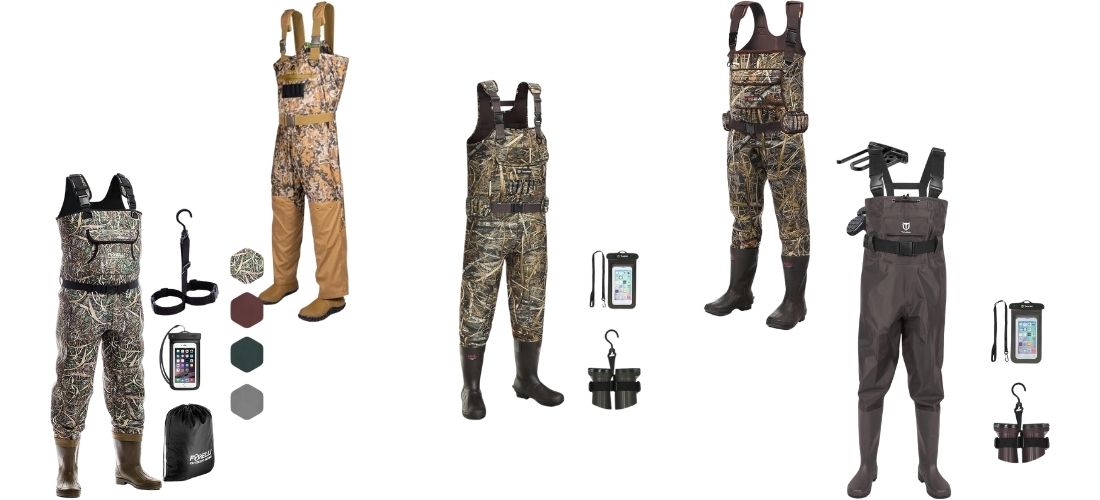
The best duck hunting waders should match how far you walk, how cold the water gets, and how much durability risk you can accept. I would start with the TIDEWE 600G for balanced warmth and value. You can opt for the Gator Shield for extreme cold or the HISEA 600G when a lower-cost neoprene setup matters more than long-term certainty. That same conditions-first approach applies across waterfowl hunting.
How I Chose and Ranked These Waders
I compared exact constructions and variants rather than treating every product from one brand as interchangeable. The ranking considers seams, reinforcement, fit, mobility, boot insulation, traction and purchase-changing drawbacks. I also favored products with a clear role instead of rewarding similar neoprene models for the same conditions.
This is a research-based editorial assessment. Leak resistance and durability carry 45 percent of the score; boot comfort and traction carry 55 percent of the score. Extra insulation does not excuse poor fit, difficult walking or weak support.
This best duck hunting waders lineup has one important gap: none is ideal for hot early-season hunts or long, strenuous walk-ins. The TIDEWE 420D is light, but its non-breathable shell and soft boot prevent that award. I would rather keep the gap visible than force an unsupported recommendation.
Compare the Best Duck Hunting Waders
I scored each exact configuration against a purchase-changing criteria. The individual criteria use a comprehensive scale, while the weighted Overall score is out of 10. Higher scores indicate a stronger balance for the intended role.
| Rank | Product (variant) | Construction | Boot insulation | Leak resistance and durability | Boot comfort and traction | Overall | Main drawback | Price |
|---|---|---|---|---|---|---|---|---|
| #1 | TIDEWE 600G Neoprene, Next Camo Evo, Size 10 | 3.5mm neoprene | 600g 3M Thinsulate | 3.2/5 | 3.5/5 | 7.3/10 | Fit and early seam consistency | Check Amazon price |
| #2 | Gator Waders Shield Insulated, 7 Brown, King 12 | Four-layer breathable polyester | 1,600g | 3.1/5 | 3.6/5 | 7.1/10 | Narrow boots | Check Amazon price |
| #3 | HISEA 600G, Next Camo Evo(s), Size 9 | 4.5mm neoprene | 600g 3M Thinsulate | 2.5/5 | 3.1/5 | 6.3/10 | Inconsistent body fit and seam life | Check Amazon price |
| #4 | Foxelli 4mm Neoprene, Camo, Size 11 | 4mm neoprene | Not specified | 2.4/5 | 2.7/5 | 5.8/10 | Narrow, stiff-feeling boots | Check Amazon price |
| #5 | TIDEWE 420D Nylon/PVC, Brown, Size 11 | 420D two-ply nylon/PVC | Uninsulated | 2.6/5 | 2.5/5 | 5.6/10 | Thin shell and soft boot sole | Check Amazon price |
Best Duck Hunting Waders: Reviews
Each pick below solves a different problem. Start with your coldest, least active part of the hunt, then check boot and body fit before comparing pockets or camouflage patterns.
TIDEWE 600G Insulated Neoprene Chest Waders, Next Camo Evo, Size 10
Highlight: A warm, value-focused neoprene setup for colder hunts and shorter walk-ins.
Key features: 3.5mm neoprene upper • 600g 3M Thinsulate boot insulation • Cleated bootfoot • Reinforced shoe vamp • Stitched, glued, taped, and sealed seams • Hand-warmer pocket
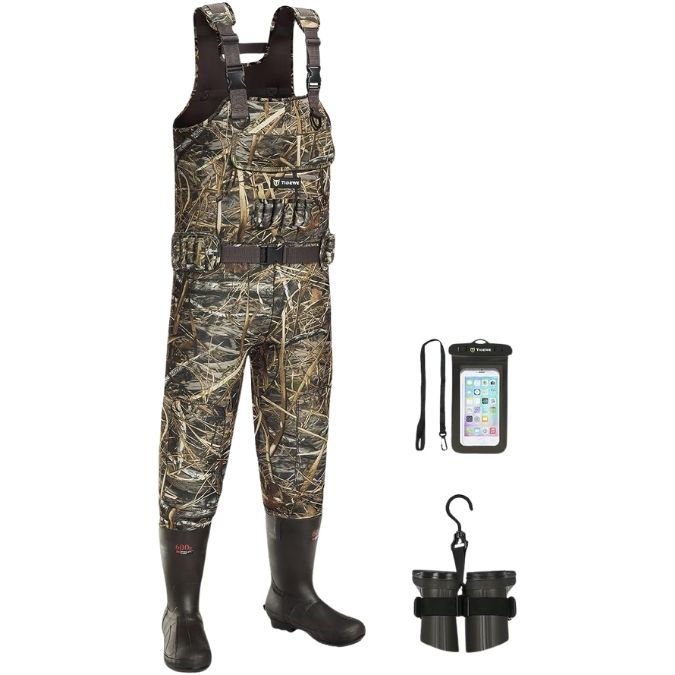
I see this TIDEWE configuration as the most balanced cold-weather value in the group. The 3.5mm neoprene upper and 600g boots give you meaningful insulation without moving into the bulk of the heaviest cold-weather model, while the roomy cut can leave space for base layers. I also like the reinforced vamp, cleated outsole, and hand-warmer pocket because they address the ordinary abuse and long periods of standing that come with marsh hunting.
My main reservation is consistency rather than the feature set. You should size from both your body measurements and boot needs, since the torso can feel generous while the boots may still run large, and I would treat seam life and buckle durability as the principal risks. I would pick this model when warmth and price matter more than a customized fit, but I would inspect the seams immediately and keep the return window in mind before relying on it deep into a season.
Pros and Cons
| Pros | Cons |
|---|---|
| 600g insulated boots suit colder water and long sits | Fit can be roomy through the body and inconsistent at the boot |
| Reinforced vamp and sealed seam construction target common wear points | Seam leaks and buckle failures are credible early-life risks |
| Cleated outsole offers useful traction in soft marsh bottoms | |
| Hand-warmer pocket and layering room improve cold-weather comfort |
Best for: Budget-conscious hunters who want insulated neoprene waders for colder water, short approaches, and stationary sits.
Skip if: You need a close athletic fit, make long warm-weather walk-ins, or cannot tolerate uncertainty around early seam durability.
Gator Waders Shield Insulated, 1,600G, 7 Brown, King 12
Highlight: The strongest extreme-cold option here, pairing heavily insulated boots with a less restrictive breathable upper.
Key features: Four-layer breathable polyester shell • 1,600g insulated boots • 900D reinforced rear seat and leg gaiters • Quilted thermal cotton lining • Double-stitched, dual-sealed seams • Magnetic chest pocket and fleece hand-warmer
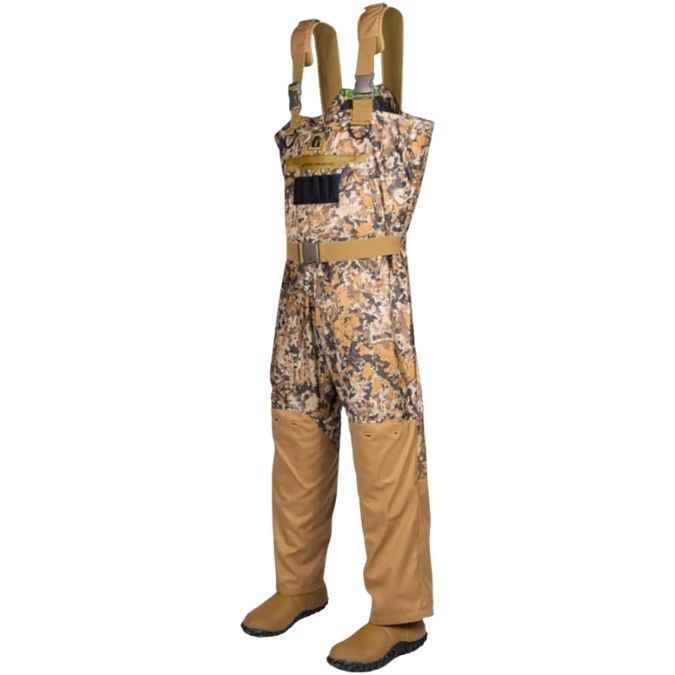
I would choose the Shield Insulated when cold feet are the problem you most want to solve. Its 1,600g boots are the warmest specified pair in this lineup, and the four-layer breathable shell should feel less restrictive than thick neoprene when you step over deadfall or climb into a blind. I also like the 900D reinforcement at the seat and legs, where you are most likely to kneel, sit, or push through cover.
My caution is fit and after-sale risk. You should pay particular attention to boot width and consider sizing room for heavy socks, because I find the narrow-feeling boot shape less forgiving for wide feet even when the upper fits. Seam and boot durability have also been uneven, so I would verify the current return and warranty terms before paying the premium. For a cold, mostly stationary hunt, I think the warmth advantage is persuasive; for a high-mileage hunt, the heavier boots may be more insulation than you need.
Pros and Cons
| Pros | Cons |
|---|---|
| 1,600g boots provide the lineup’s highest specified foot insulation | Boots can feel narrow and may require careful sizing |
| Breathable four-layer shell supports better mobility than thick neoprene | Seam, boot, and warranty consistency deserve caution |
| 900D reinforcement protects high-contact areas | |
| Quilted lining and fleece hand-warmer add cold-weather comfort |
Best for: Very cold hunts with long periods of standing or sitting, especially when maximum boot insulation matters more than low weight.
Skip if: You have wide feet, want a lightweight early-season wader, or expect frequent long-distance walk-ins.
HISEA 600G Insulated Hunting Waders, Next Camo Evo(s), Size 9
Highlight: A feature-rich starter option for moderate cold when price matters more than long-term certainty.
Key features: 4.5mm neoprene upper • 600g 3M Thinsulate boot insulation • Cleated outsole • Reinforced knees • Eight shell holders • Hand-warmer pocket
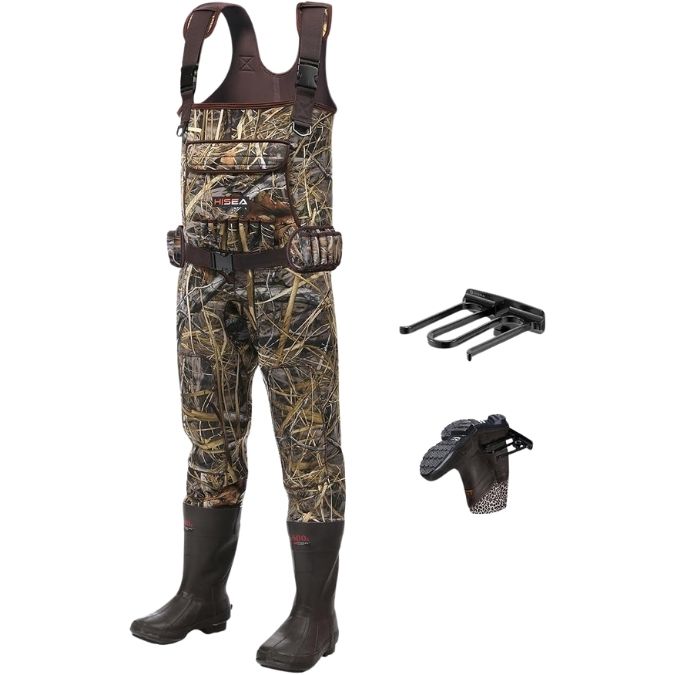
I view this HISEA as a practical entry point for occasional cold-water hunts. The 4.5mm neoprene upper is the thickest in this group, while the 600g boots, reinforced knees, cleated sole, shell holders, and hand-warmer pocket give you a useful hunting-specific package for the money. I would be comfortable recommending it for moderate cold and short approaches, though I would not equate 600g boots with the warmth of a true extreme-cold setup.
My concern is whether the fit and seam life will match your workload. You may find the body tall or baggy even when the boot size is right, and I see boot-seam, crotch, and lower-leg leakage as the main longevity risks. I would inspect and water-test the pair before the season, then keep it away from sharp brush where possible. If you hunt only a handful of days and want to control cost, the compromise can make sense; if you hunt hard every week, I would spend more for stronger consistency.
Pros and Cons
| Pros | Cons |
|---|---|
| 4.5mm neoprene provides substantial upper-body insulation | Boot and seam longevity can be inconsistent |
| 600g boots balance warmth with less bulk than an extreme-cold boot | Body fit often trends tall or baggy relative to boot size |
| Reinforced knees and cleated soles suit marsh use | |
| Shell holders and hand-warmer pocket add practical hunting utility |
Best for: Occasional hunters seeking an affordable neoprene wader for moderate cold, short walks, and straightforward marsh setups.
Skip if: You hunt frequently in abrasive cover, need a precise athletic fit, or prioritize multi-season seam durability above price.
Foxelli 4mm Neoprene Chest Waders, Camo, Size 11
Highlight: A simple 4mm neoprene choice for short approaches and cold-water use when the boot fit works for you.
Key features: 4mm neoprene upper • Bootfoot construction • Reinforced knees • Double-stitched, taped, and sealed seams • Adjustable suspenders • Chest hand-warmer pocket and D-rings
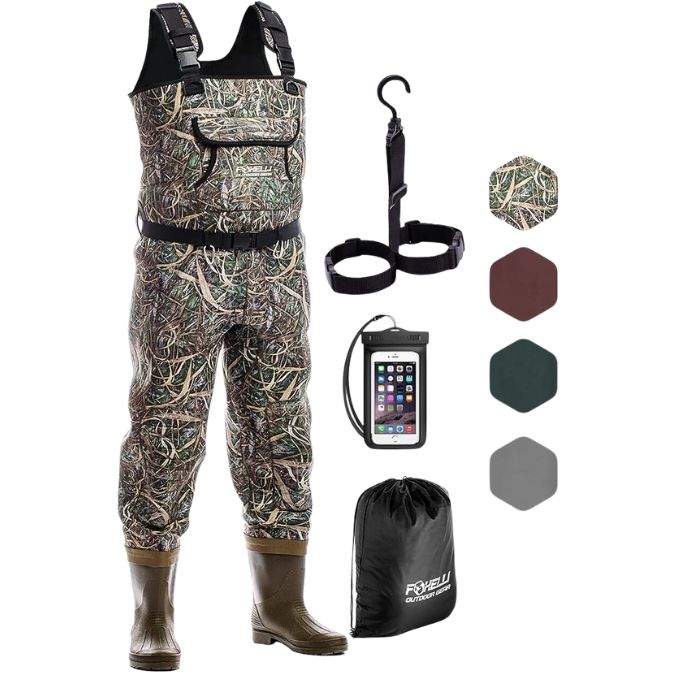
I like the Foxelli’s straightforward combination of a flexible 4mm neoprene body, reinforced knees, adjustable suspenders, and accessible chest storage. It gives you useful core warmth and enough stretch for stepping into a boat or setting decoys, without adding unnecessary complexity. I see it working best for short walks and controlled cold-water use, where the hand-warmer pocket and simple bootfoot design matter more than premium reinforcement.
My hesitation centers on the boots and quality consistency. You should not assume the boot has a published insulation specification, and I find the narrow fit, stiff upper edge, and potential calf rubbing poor matches for wide feet or long walk-ins. Early seam leaks and arrival-condition problems are also meaningful risks, so I would water-test the pair while returns are easy. I would consider it for casual use if the fit is immediately comfortable, but I would look elsewhere when boot warmth, long-distance comfort, or predictable durability is essential.
Pros and Cons
| Pros | Cons |
|---|---|
| 4mm neoprene supplies useful cold-water insulation and flexibility | Narrow, stiff-feeling boots can rub during longer walks |
| Reinforced knees protect a common contact area | Leak and initial quality consistency are notable concerns |
| Adjustable suspenders make torso fit easier to tune | |
| Hand-warmer pocket and D-rings keep small essentials accessible |
Best for: Short approaches, boat-based setups, and occasional cold-water hunts when you can confirm a comfortable boot fit.
Skip if: You have wide feet, walk long distances, or require a verified boot-insulation specification for severe cold.
TIDEWE 420D Two-Ply Nylon/PVC Bootfoot Chest Waders, Brown, Size 11
Highlight: The lightest, most economical option for mild weather, occasional use, or duty as a backup pair.
Key features: 420D two-ply nylon/PVC construction • Bootfoot design • Welded boot attachment • Taped seams • Adjustable suspenders • Integrated boot hanger
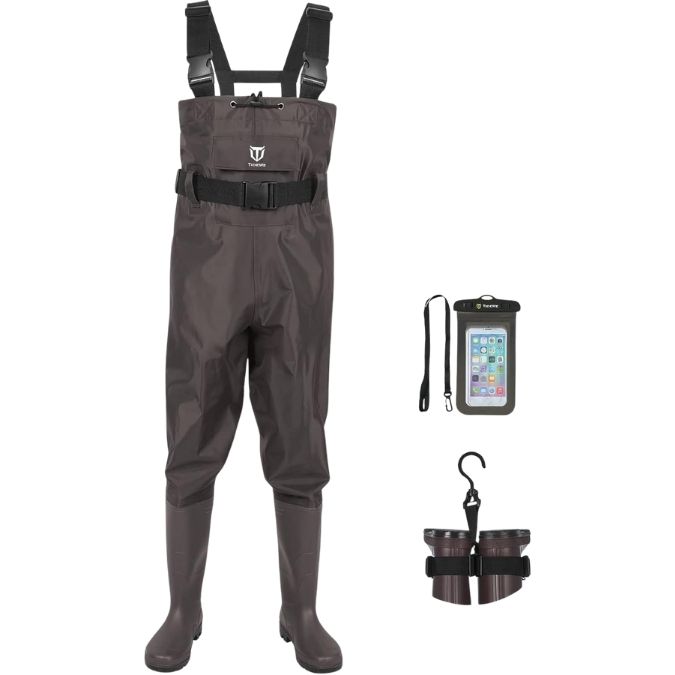
I would use this lightweight TIDEWE for early-season chores, occasional hunts, or as an inexpensive backup rather than as my primary late-season wader. The two-ply nylon/PVC build is easier to carry and put on than thick neoprene, while the welded boot attachment, taped seams, and adjustable suspenders cover the basic waterproofing and fit needs. If you hunt mild conditions and keep walking distances short, I think the simplicity and low cost are its strongest advantages.
My tradeoff is that the material is uninsulated and not breathable, so you may feel cold when stationary and clammy after a warm walk. I would also be cautious in thorny cover because the thinner shell offers less puncture resistance, and the soft boot sole may need an added insole for uneven ground. Calf and boot fit can be restrictive even when the nominal size looks right. I would choose it for gentle terrain and limited use, but I would avoid treating it as protective gear for swift current, rough brush, or serious late-season cold.
Pros and Cons
| Pros | Cons |
|---|---|
| Lightweight construction is easy to carry and put on | Uninsulated, non-breathable material limits cold-weather comfort |
| Low price suits occasional use and backup duty | Thin shell and soft boot sole are less suited to rough terrain |
| Welded boot attachment and taped seams provide a simple waterproof structure | |
| Adjustable suspenders help accommodate light layering |
Best for: Mild-weather hunts, shallow-water chores, occasional use, and hunters who want a low-cost backup pair.
Skip if: You need insulation, breathable fabric, strong puncture resistance, or supportive boots for rough ground and fast water.
Which Duck Hunting Waders Should You Buy?
Let your route to the blind decide first. A short approach and cold sit favor insulation, while repeated walking and suction mud place more importance on boot security, mobility and heat management. Do not confuse a lighter shell with a supportive breathable system.
| Hunting situation | Start with | Why | Main compromise |
|---|---|---|---|
| Short walk and cold sit | TIDEWE 600G | Balanced neoprene warmth and value | Roomy fit and variable seam consistency |
| Boat-in hunt in severe cold | Gator Shield | 1,600g boots and reinforced breathable shell | Narrow, heavy boots and uncertain support experience |
| Occasional moderate-cold hunting | HISEA 600G | Thick neoprene with useful hunting features | Baggy proportions and leak risk |
| Short approach with flexible neoprene | Foxelli 4mm | Simple construction and useful core warmth | Narrow boots with no published insulation specification |
| Mild-weather backup duty | TIDEWE 420D | Lightweight and economical | No insulation or breathability |
For wet decoy work, consider your hands at the same time as your waders. A comparison of duck hunting gloves for wet decoy work can help separate full waterproof coverage from light, dexterity-focused gloves. That’s crucial when your approach and setup expose you to different amounts of cold and water.
How to Choose the Best Duck Hunting Waders
Here’s how you can pick the best ones on the market:
Breathable vs Neoprene Waders
Neoprene builds insulation into the upper. It makes sense when you expect cold water, limited walking and long periods without movement. The tradeoff is heat and bulk. A thick neoprene pair can become uncomfortable during an early-season approach, and trapped perspiration can leave your base layers damp before you settle into the blind.
Breathable shells reduce bulk and let you adjust warmth with separate layers. They can be easier to walk, crouch and climb in, but “breathable” does not mean cool in every condition or immune to leaks. Your jacket still needs to handle rain above the chest line, where the best hunting rain gear becomes part of the same system.
Insulation and Layering
Boot-insulation numbers describe the boots, not the warmth of the entire wader. The 600g boots used by TIDEWE and HISEA suit less severe conditions than Gator’s 1,600g boots, but activity, wind, water temperature, sock thickness and circulation still influence comfort. I would not rely on one insulation number as a universal temperature limit.
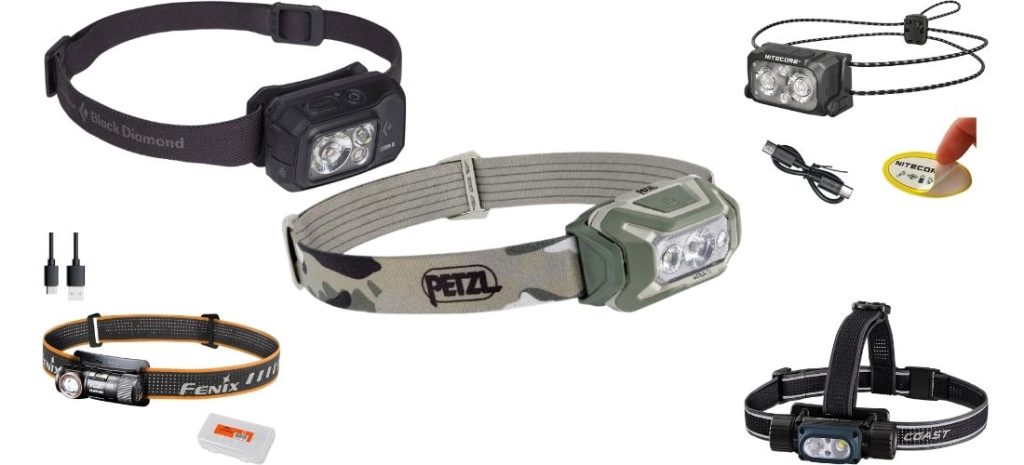
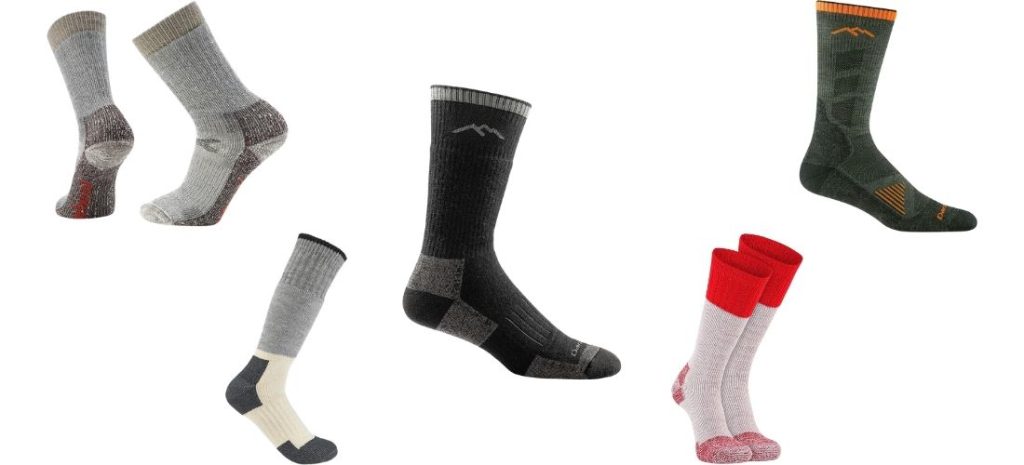
Leave enough toe room for circulation. Thick socks can make an insulated boot colder if they compress your foot or prevent your toes from moving. Choose hunting socks that preserve boot fit, then test the complete combination with your intended base layers before the season.
Boot Fit, Body Sizing and Traction
Start with the manufacturer’s current chart, but check more than the printed boot size. Your chest or waist, inseam, crotch clearance, calf room and intended layers all affect whether the wader can move without pulling on seams. Squat, step onto a platform and raise each knee. The upper should move with you without forcing the suspenders to carry excessive tension.
The boot should hold your heel securely without crushing thick socks. An oversized boot can shift or pull in suction mud, while a narrow boot can restrict circulation and create pressure during a long sit. Our post on boot insulation and traction provides more context for matching tread, support and warmth to terrain.
| Fit warning | Likely problem | What to check |
|---|---|---|
| Heel lifts or boot twists | Boot is too loose | Try the intended sock and confirm heel security |
| Toes feel compressed | Boot or sock combination is too tight | Reduce sock bulk or reconsider boot size |
| Crotch pulls when stepping | Inseam or body length is too short | Check tall sizing and suspender adjustment |
| Fabric bunches heavily | Body cut is too large or long | Compare chest, waist and inseam measurements |
| Calves bind inside the boot | Boot shaft is too narrow | Confirm calf room before adding insulation layers |
Seams, Reinforcement, Pockets and Hardware
Stitched, taped, glued, bonded and welded seams describe construction methods, not guaranteed lifespan. Focus on the crotch, knees, seat and boot junction because these areas flex, scrape and carry tension. Reinforced knees help with kneeling, while a protective boot overlay or reinforced vamp can reduce exposure at common contact points.
Pockets, shell holders, D-rings and magnetic closures are useful only after fit and seam integrity are acceptable. Check that loaded pockets do not interfere with shouldering your shotgun or climbing into a boat. I would also test buckles and suspenders with gloves, since small or stiff hardware becomes more frustrating in cold conditions.
What Happens After the First Leak?
Every wader can eventually leak. A manufacturing defect, puncture, abrasion, seam failure and worn boot may be handled differently. Before purchasing, check the warranty term, wear exclusions, proof requirements, shipping responsibility, repair prices and expected turnaround.
| Model | What to confirm before purchase |
|---|---|
| TIDEWE 600G Neoprene | Defect coverage, return window and required documentation |
| Gator Shield Insulated | Wear exclusions, boot or seam coverage and shipping responsibility |
| HISEA 600G | Current replacement process and proof-of-purchase requirements |
| Foxelli 4mm Neoprene | Return period and treatment of arrival-condition defects |
| TIDEWE 420D Nylon/PVC | Whether punctures, boot damage or seam failures qualify |
Do not repair a new defect before checking the policy. A patch may solve a small puncture, but it can complicate a claim if the maker requires inspection first. Photograph the damage, retain your purchase information and ask whether the pair should be clean and fully dry before shipment.
How to Make Waders Last Longer and Stay Safer
This is how you can make your duck hunting waders last longer:
Dry, Inspect and Store Them Correctly
Rinse away mud, vegetation and salt, then dry both the outside and inside before storage. Keep waders away from prolonged direct sunlight and high heat. Store bootfoot models with the boots resting naturally so the boot-to-upper junction is not carrying unnecessary stress. There are a few guides that provide useful general drying and storage principles, but the instructions supplied with your exact material should take priority.
Inspect the knees, crotch, boot junction, seams, suspenders and buckles before the next hunt. Follow the manufacturer’s instructions for cleaning and patching, and check whether a self-repair could affect warranty coverage. Never pack damp waders into a sealed container and leave them there between seasons.
Treat Waders as Clothing, Not Flotation
Waders are not personal flotation devices. Wear an appropriate, properly fitted PFD while boating and whenever immersion is a realistic risk. The National Park Service’s river and stream guidance recommends a properly fitting life jacket when wading and warns that swimming ability alone is not enough.
Avoid water that is deep, fast or unfamiliar. Mud, drop-offs, submerged cover and current can change your footing without warning. No tread pattern removes that risk, so turn back when the water or bottom exceeds your experience and equipment.
Final Verdict
Among these best duck hunting waders, the TIDEWE 600G earns the top position through its balance of cold-water warmth, marsh-ready features and attainable value. I would move to the Gator Shield when 1,600g boot insulation matters more than weight, or choose the HISEA for occasional moderate-cold use at a lower cost.
Foxelli makes the most sense for short approaches when its narrow boot fits comfortably. The TIDEWE 420D is the backup choice for mild weather and limited use, not the pair I would trust for hard brush, fast water or late-season cold. Whichever model you select, confirm the complete body-and-boot fit and water-test it while the return window is still open.
FAQs
What are the best duck hunting waders for the money?
The TIDEWE 600G offers the best overall balance. HISEA costs less for thick neoprene, but its fit and seam consistency require more caution.
Are breathable or neoprene waders better for duck hunting?
Breathable waders favor mobility and adjustable layering. Neoprene favors built-in warmth for colder, less active hunts but can feel hot during long approaches.
How much boot insulation do I need?
Six-hundred-gram boots suit moderate cold, while 1,600g favors long freezing sits. Activity, circulation, sock thickness and water temperature still change comfort.
Should I size up in duck hunting waders?
Do not size up automatically. Match boot size, chest or waist, inseam, calf room and planned layers to the manufacturer’s current chart.
Are expensive duck hunting waders worth it?
They can be for frequent use when better fit, construction and repair access justify the cost. Price alone does not guarantee longer service.
How long should duck hunting waders last?
No universal lifespan is honest. Terrain, hunt frequency, fit, seam stress, drying, storage and repairability all affect when a pair begins leaking.