The best hunting clothing is not one heavy outfit that works everywhere. It is a system you can adjust for the walk in, the time you spend waiting and the weather you may face before the hunt ends. A quiet fleece can be an excellent outer layer on a calm morning but a poor substitute for a waterproof shell in steady rain.
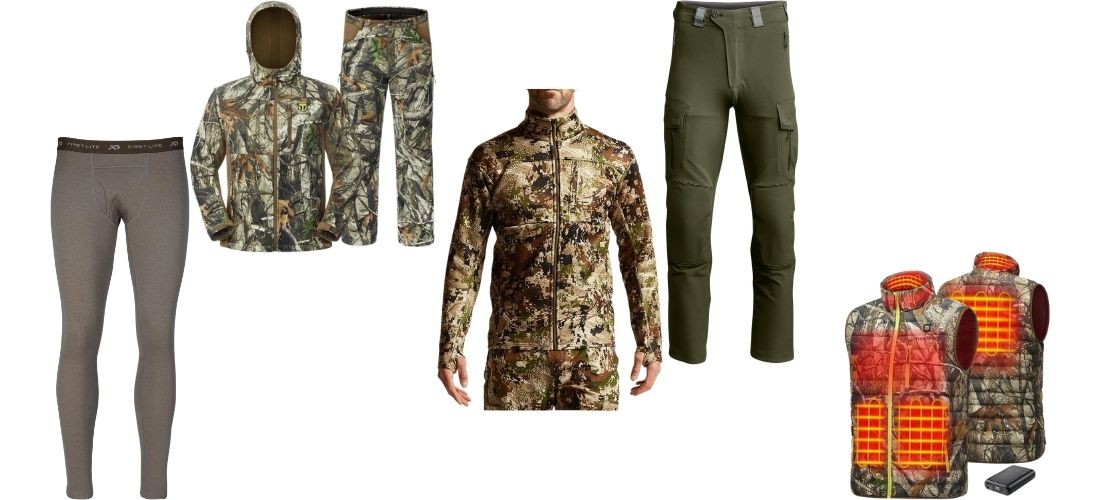
For the most adaptable starting point, I would choose the SITKA Traverse Jacket. It balances warmth, mobility and quiet fabric better than the other options here. The TIDEWE Hunting Clothes set is the more convenient two-piece choice, while the SITKA Mountain Pant, First Lite Furnace Long John and TIDEWE Heated Vest fill more specialized roles.
How I selected the best hunting clothing
I compared these exact products by the job each one performs. A base-layer bottom cannot replace a jacket, and a heated vest should not be judged like a weather shell. Instead, I scored how much useful coverage each garment adds to a complete system and how well it suits its intended hunting conditions.
System coverage and versatility account for 30% of the final score. Climate management accounts for 25%, movement and quietness for 20%, fit and layering practicality for 15%, and durability and value for 10%. Each category is scored out of five, then weighted and converted to an overall score out of 10. I kept temperature claims qualitative because activity, wind, moisture, supporting layers and personal cold tolerance can change how warm a garment feels.
Compare the best hunting clothing
The overall score measures practical value within this mixed clothing lineup. It does not mean a base layer with a lower score is poorly made or that a jacket can replace every other layer. I ranked broader, more adaptable pieces higher, then used material limitations, fit concerns and dependence on batteries as tie-breakers.
Water-resistant finishes are also treated separately from waterproof protection. They may handle dew, light snow or brief drizzle, but they are not a dependable answer to prolonged rain. Use the table to narrow the lineup by role, then read the full section before choosing a size or garment.
| Rank | Exact product and variant | System coverage /5 | Climate management /5 | Movement and quietness /5 | Fit and layering /5 | Durability and value /5 | Overall /10 | Pricing |
|---|---|---|---|---|---|---|---|---|
| #1 | SITKA Traverse Jacket, XX-Large, Optifade Subalpine | 4.6 | 4.0 | 4.5 | 4.2 | 3.8 | 8.6 | Check Amazon price |
| #2 | TIDEWE Hunting Clothes, Large, Next Camo G2 | 4.8 | 3.7 | 3.3 | 3.2 | 3.8 | 7.8 | Check Amazon price |
| #3 | SITKA Mountain Pant, 32, Covert | 3.8 | 3.4 | 4.4 | 3.7 | 4.0 | 7.7 | Check Amazon price |
| #4 | First Lite Furnace Long John, Large, Walnut | 3.2 | 4.2 | 3.5 | 3.3 | 3.4 | 7.1 | Check Amazon price |
| #5 | TIDEWE Lightweight Heated Vest, Large, Next Camo G2 | 3.4 | 4.0 | 3.2 | 3.3 | 3.3 | 7.0 | Check Amazon price |
The five hunting-clothing picks I would choose
The best hunting clothing works as a system, and these products cover different positions within it. Start with the role you need to fill, then judge the exact size, conditions and limitations rather than treating the ranking as a universal shopping order.
SITKA Traverse Jacket, XX-Large, Optifade Subalpine
Highlight: Best overall for adaptable cool-weather layering
Key features: Quiet polyester-knit face • High-loft Berber fleece interior • Lighter fleece panels at the sides and underarms • DWR finish • Zippered hand and chest pockets • Low-profile thumb slots • Standard fit
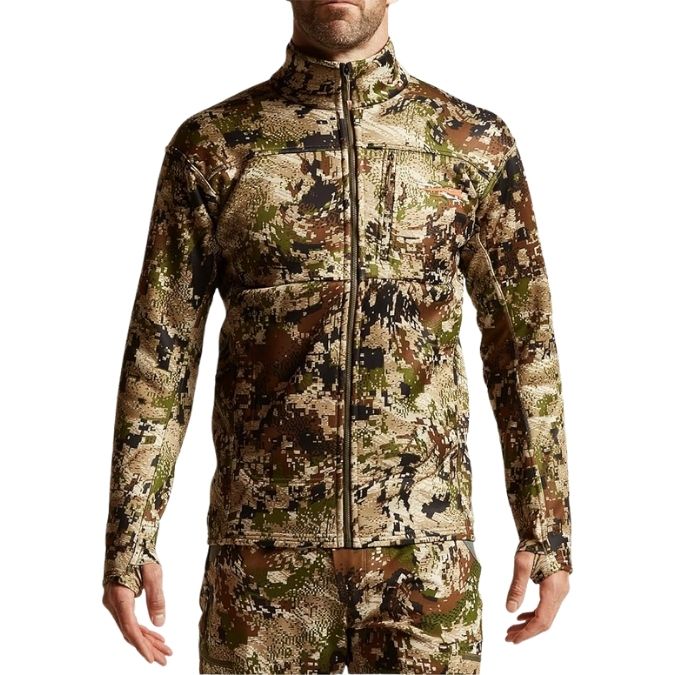
I’d choose the SITKA Traverse as the best overall hunting-clothing pick because it works as a warm outer layer in calm, cool weather and as a substantial midlayer when conditions turn harsher. Its high-loft fleece interior holds warmth, while lighter panels at the sides and underarms reduce bulk where you need mobility and ventilation. The knit face is quieter than a hard shell, and the DWR finish can shed light precipitation. You also get three zippered pockets and thumb slots that help the sleeves stay in place beneath another jacket.
My main reservation is weather protection. This is not the layer I’d trust by itself in strong wind or sustained rain, and the fleece construction is heavier than a minimalist active layer. The standard fit is designed to accommodate layering, but I would still check the measurements of this exact XX-Large variant against the insulation you plan to wear underneath. I recommend it for cool midseason hunts, mixed periods of movement and waiting, and hunters who want one versatile fleece rather than a specialized shell.
| Pros | Cons |
|---|---|
| Quiet knit exterior suits close-range hunting | Limited protection in strong wind or sustained rain |
| High-loft fleece provides useful cool-weather warmth | Price and fleece weight may be excessive for warm, active hunts |
| Mapped side and underarm panels improve mobility | |
| Standard fit and thumb slots support layering |
Best for: Hunters wanting a quiet, warm fleece that can serve as an outer layer or sit beneath a weatherproof shell.
Skip if: You need a waterproof rain jacket, a true wind-blocking shell or an ultralight early-season layer.
TIDEWE Hunting Clothes, Large, Next Camo G2
Highlight: Best complete jacket-and-pants set
Key features: Two-piece jacket and pants set • Fleece lining • Water-resistant outer fabric • Rear safety-harness opening • Magnetic pocket closures • Four jacket pockets and five pants pockets • Adjustable hood, cuffs and hem • Elastic waistband
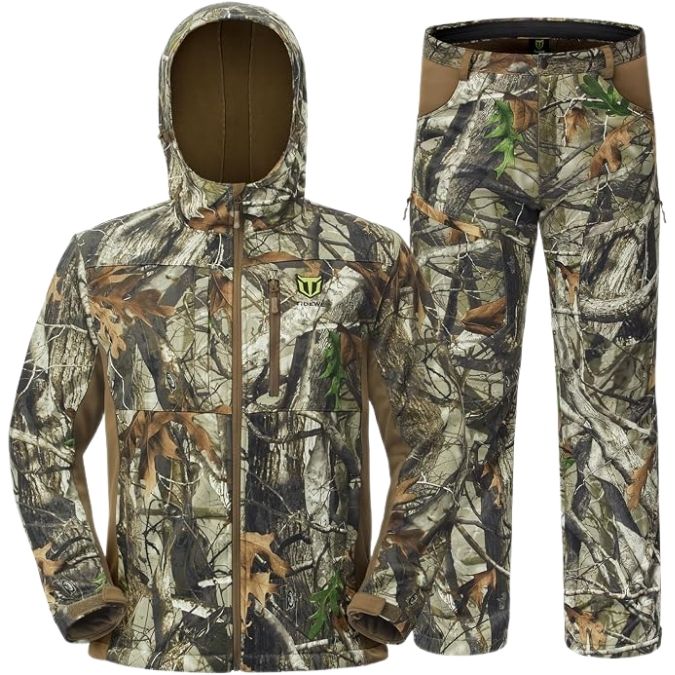
I’d choose this TIDEWE set for a hunter who wants both primary outer garments in one purchase. The jacket and pants have a soft fleece lining, room for light base layers, and a water-resistant shell intended for light rain or snow. I also like the practical layout: nine combined pockets give you places for calls, gloves and small tools, while the rear jacket opening can accommodate a tree-stand safety harness worn underneath. Adjustable cuffs, hood and hem help close gaps when the weather changes.
My caution is that the matched set locks you into one size for both garments, even though the jacket and pants may not fit your body the same way. I would test the complete outfit for walking noise, hardware security and mobility before taking it bowhunting because performance in those areas is inconsistent. Treat the fabric as water-resistant rather than waterproof, and carry a real rain shell if prolonged precipitation is possible. I recommend it for early-to-midseason whitetail hunting and cool woodland conditions when value and convenience matter more than technical-shell performance.
| Pros | Cons |
|---|---|
| Includes a matching jacket and pants | One-size set can create a jacket-to-pants fit mismatch |
| Fleece lining adds moderate warmth without a separate midlayer | Noise, water resistance and hardware durability need checking |
| Nine pockets provide useful small-item storage | |
| Harness opening and adjustable closures suit stand hunting |
Best for: Hunters seeking an affordable coordinated set for mild-to-cool woodland hunts and light precipitation.
Skip if: You need separately sized garments, reliably quiet fabric for close stalking or waterproof protection for prolonged rain.
SITKA Mountain Pant, 32, Covert
Highlight: Best hunting pants for active midseason use
Key features: Stretch-woven polyester and elastane • Articulated fit • Removable knee pads • DWR finish • Tapered lower legs • Zippered hand pockets and a hip pocket • Cargo pockets with quiet snaps • High-rise waist
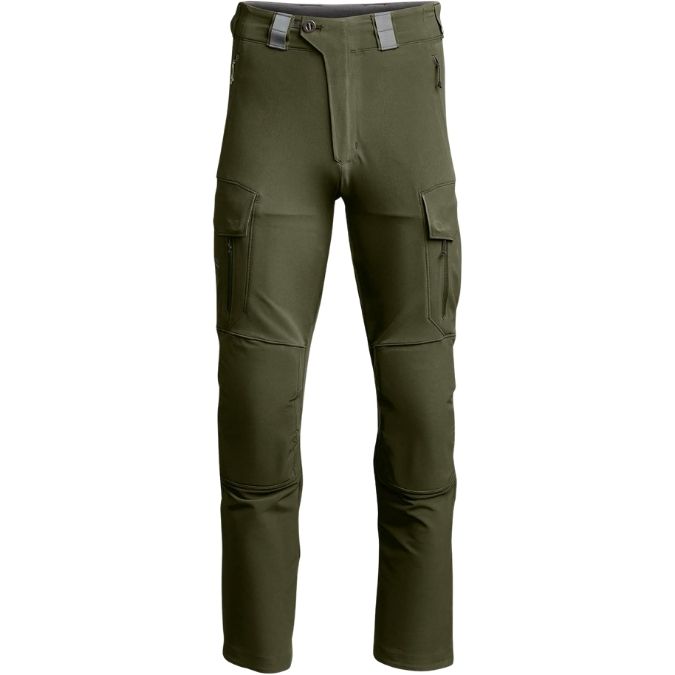
I’d pick the SITKA Mountain Pant for active midseason hunting where range of motion and knee protection matter more than maximum insulation. The stretch-woven fabric and articulated cut should move with you through climbs, crawls and uneven ground, while removable knee pads add protection for field dressing, glassing or closing distance from a kneeling position. A tapered lower leg limits excess fabric around your boots, and the DWR finish gives you some protection from dew and brief light precipitation.
My reservations are fit, noise and weather limits. The waist and thigh fit can feel trim, the knee pads do not align comfortably for every body shape, and the fabric is not reliably silent when brush contacts it. I would try the exact 32-inch waist with your intended base layer and kneel several times before committing it to a hunt. I recommend these pants for mobile big-game and spot-and-stalk use in dry or changeable midseason weather, but you will still need rain pants for real storms and heavier insulation for long cold sits.
| Pros | Cons |
|---|---|
| Stretch fabric and articulated knees support active movement | Trim sizing and knee-pad position may not suit every build |
| Removable knee pads protect during crawling and kneeling | Neither waterproof nor consistently quiet against brush |
| Tapered legs reduce excess material around boots | |
| DWR finish handles dew and brief light precipitation |
Best for: Mobile hunters who value stretch, durable construction and removable knee protection during midseason hunts.
Skip if: You need fully waterproof pants, silent fleece for close whitetail movement or roomy insulation for stationary winter hunting.
First Lite Furnace Long John, Large, Walnut
Highlight: Best heavyweight base-layer bottom
Key features: 350g Merino-X EXP fabric • Fleece-backed interior • Flatlock seams • Functional fly • Jacquard waistband • High-rise waist • Heavyweight cold-weather construction
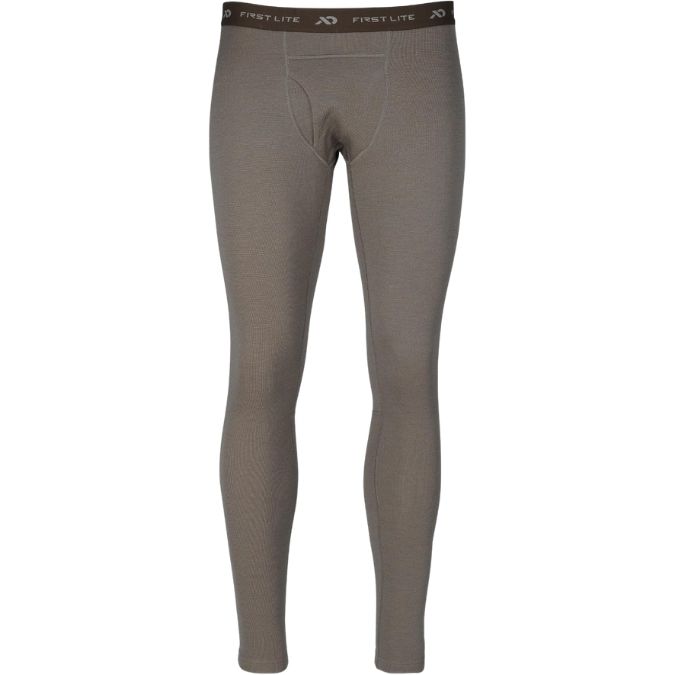
I’d choose the First Lite Furnace Long John when your hunt involves cold stands, glassing sessions or other periods with limited movement. Its 350g fleece-backed merino construction is substantially warmer than a lightweight base layer, while flatlock seams reduce bulky ridges beneath your outer pants. The functional fly and broad waistband keep the design practical for a full day outside. If your legs normally become the weak point during a late-season sit, this is the kind of dedicated thermal layer I would add first.
My main concern is that the warmth narrows its useful range. You can overheat during a hard approach, so I would carry it or slow your pace rather than start a strenuous climb fully layered. Fit also deserves care: the crotch rise has felt too short for some body shapes, and long-term durability has not been uniform. I recommend checking the Large while sitting, crouching and raising each knee before removing the tags. It makes the most sense for cold, low-output hunting, not as a year-round base layer.
| Pros | Cons |
|---|---|
| Heavyweight 350g construction targets late-season cold | Too warm for many strenuous or mild-weather hunts |
| Fleece-backed merino feels soft against the skin | Short-rise fit and long-term durability may be concerns |
| Flatlock seams reduce pressure beneath outer layers | |
| Functional fly and broad waistband improve everyday usability |
Best for: Cold-weather stand hunters and other low-output situations where maximum base-layer warmth is the priority.
Skip if: You run hot, expect sustained climbing or need a lighter thermal layer for variable early-season temperatures.
TIDEWE Lightweight Heated Vest, Large, Next Camo G2
Highlight: Best supplemental warmth for stationary hunts
Key features: Four heating zones • Heated collar, mid-back and two pocket areas • Three heat settings • Included 10,000mAh power bank • Water-resistant fabric • Machine-washable construction • Next Camo G2 pattern
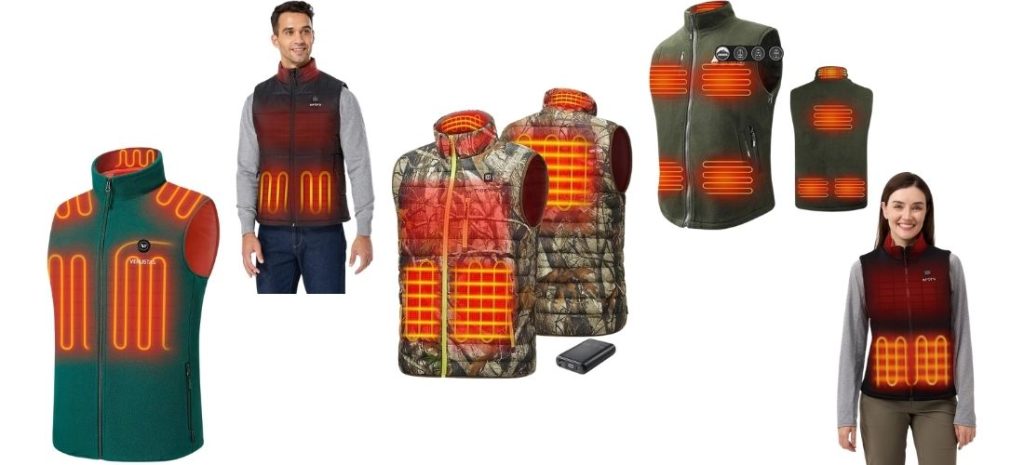
I’d choose the TIDEWE for a stand or blind hunter who wants adjustable warmth after the walk in. Its four zones heat the collar, mid-back and both pocket areas, while three settings let you reduce output once you are comfortable. The sleeveless construction keeps bulk away from your shoulders and leaves room for an insulating jacket or shell. You also receive the power bank needed to operate it, so the vest arrives as a complete heating system rather than clothing that needs a separate battery purchase.
My recommendation depends on disciplined battery management. The max runtime is not a promise for cold field conditions, and sustained use on higher settings can shorten a hunt considerably. I would charge and test the battery, controls and every heating zone before the season, disconnect the battery during storage, and consider a compatible spare for longer sits. Check the Large over your planned base layer because the fit can vary and close contact helps transfer heat. I see this as supplemental warmth, not a replacement for dependable insulation or an emergency cold-weather plan.
| Pros | Cons |
|---|---|
| Adjustable heat supports changing activity and temperature | Runtime and battery performance vary with conditions and settings |
| Collar, back and pocket zones warm useful core areas | Fit, controls and long-term electrical reliability need testing |
| Sleeveless design layers without restricting the arms | |
| Included power bank makes the system usable out of the box |
Best for: Stand and blind hunters wanting controllable core warmth after a walk in or during long stationary periods.
Skip if: You require silent close-range movement, guaranteed all-day high heat or warmth that does not depend on charged electronics.
How to choose the best hunting clothing for your hunt
Here’s how you can select the best hunting clothing for your hunts this season.
Start with activity level, not temperature alone
Two hunters can need very different systems on the same day. If you are climbing, still-hunting or covering miles, your body produces heat and moisture. A breathable base layer, mobile pants and a light outer layer may keep you more comfortable than heavy insulation worn from the trailhead. Pack extra warmth where you can reach it instead of sweating into it during the approach.
Long stand and blind sessions reverse the problem. Once you stop moving, damp layers and exposed wind can cool you quickly. I would slow down before reaching the stand, vent the outer layer and add insulation only after excess heat has escaped. This approach gives you more control than choosing clothes from the forecast temperature alone.
Match weather protection to the forecast
A DWR finish helps droplets bead on the face fabric, but it does not make every seam, zipper or panel waterproof. Water-resistant fleece and stretch-woven pants can handle dew, light snow and a short shower. For sustained rain, add dedicated hunting rain gear instead of relying on a DWR finish or water-resistant fleece.
Wind deserves equal attention because it can strip heat from breathable garments. A quiet knit layer may suit a sheltered whitetail stand, while an exposed ridge calls for a wind-blocking outer layer. There is usually a tradeoff: harder shell fabrics can resist weather better but may produce more noise when you move through brush. Decide which risk matters more for the hunt.
Build layers that move moisture outward
Your base layer should move moisture away from your skin without fitting so tightly that it restricts circulation or movement. Merino can provide useful odor control and warmth across changing output, while synthetics often dry quickly and tolerate hard use. Neither material is automatically better. Weight, weave, fit and drying conditions matter just as much as the fiber name.
A breathable midlayer adds warmth while letting vapor continue outward. Fleece is useful here because it can insulate without behaving like a sealed rain shell. Add a separate insulating piece when you stop, then use a protective shell for wind or precipitation. The NIOSH cold-stress guidance also recommends several loose layers and warns that restrictive clothing can limit movement.
I would avoid building a system so tight that adding one layer compresses everything beneath it. Compressed insulation loses loft, and a restrictive waistband or shoulder can become a bigger problem after several hours. Test the complete combination at home, not one garment at a time.
Check fit, movement and noise across the complete system
Try the positions you will actually use. Raise a bow, shoulder your firearm safely in a controlled setting, kneel, sit, climb a step and reach across your body. Watch for sleeves that pull back, waistbands that bind, knee pads that shift and jacket hems that rise above the beltline. Pocket access should still work beneath a pack belt, harness or outer shell.
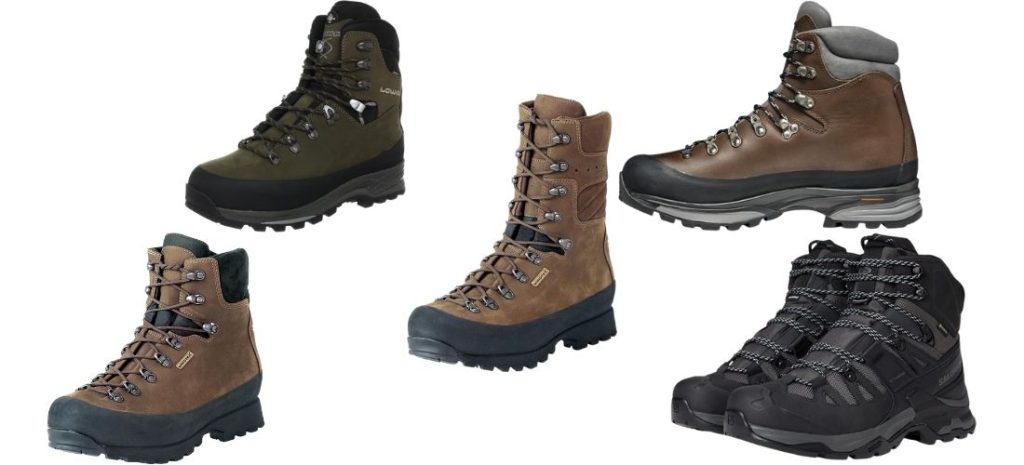
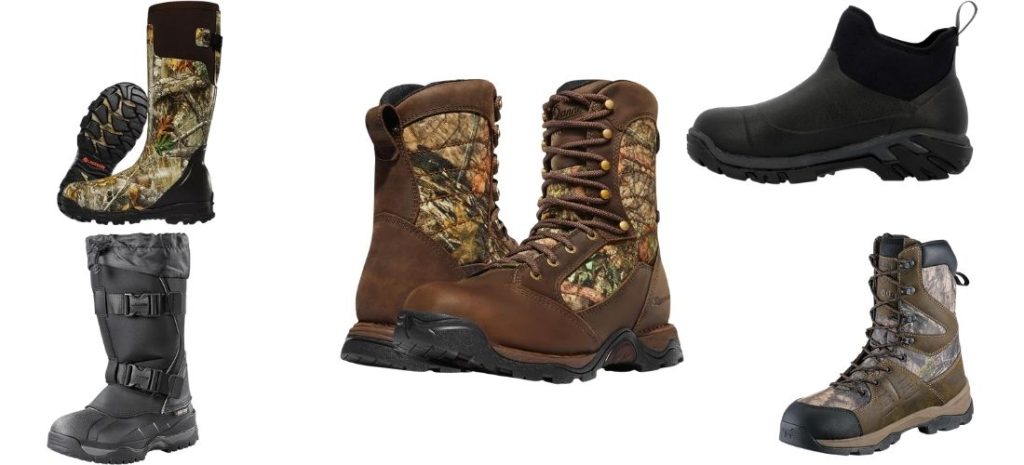
Fit also continues below the pants. Choose the best hunting socks with your actual boots on, because extra cushioning can reduce toe room and circulation. Match your layers and socks to the volume, insulation and waterproofing of your hunting boots. More thickness does not guarantee warmer feet if the result is a cramped fit.
Finally, listen to the full outfit. Rub sleeves against the torso, walk, kneel and operate every zipper, snap and pocket closure. Close-range bowhunters should be especially strict about fabric and hardware noise. A garment that feels quiet on a hanger may sound different when two layers contact each other.
Judge materials, durability and value by use
Durability should match the terrain. Stretch-woven fabric and reinforced knees make sense around rock, deadfall and repeated kneeling. Softer fleece may be quieter but can collect debris or show wear sooner in thorny cover. Check seams, zipper paths, pocket edges and high-friction areas rather than judging toughness by fabric weight alone.
I also define value by useful roles, not the lowest price. A versatile jacket worn across several seasons may be a better purchase than a cheaper garment that only works in one narrow condition. But specialized insulation can still be worthwhile if cold legs or long stationary sits regularly end your hunts early.
Build a complete clothing system
Looking to build a complete clothing system for the season? Here’s the process.
Active early- and midseason hunts
Start with a light moisture-moving base layer and mobile pants. Add a breathable fleece or quiet overshirt for cool starts, then carry wind or rain protection in your pack. The goal is to avoid soaking your layers during the approach. Open vents, remove a layer early and keep your dry insulation reserved for glassing or waiting.
The SITKA Mountain Pant fits this system when mobility and knee protection matter. The Traverse Jacket works when conditions are cool enough for fleece, but I would pack it during harder climbs if overheating is likely.
Cold stand and blind hunts
Use a dry base layer, a breathable midlayer and enough insulation for the time you expect to remain still. Add a wind-resistant outer layer where exposure demands it. The Furnace Long John targets this low-output role, while the heated vest adds adjustable core warmth after the walk in.
Complete the system with the best hunting gloves matched to the dexterity, insulation and wet-weather protection you need. If adjustable electric warmth is a priority, compare these best heated vests for hunting before accepting the added battery routine. I would still carry conventional insulation because electronics can lose charge or fail.
Wet and changeable hunts
Keep the moisture-managing layers against your body and protect insulation before it becomes wet. Put rain gear on before a sustained downpour, but vent it during movement so condensation does not soak you from inside. Pack dry socks or a spare base layer in a sealed bag when the distance, temperature and forecast justify the extra weight.
For mixed forecasts, I prefer separate insulation and rain protection over one bulky garment expected to do everything. You can wear only the layer the moment requires, dry pieces independently and replace one part of the system without rebuilding the whole kit.
Pre-hunt fit and care checklist
- Wash and dry every garment according to its care label, especially pieces with DWR treatments, merino fibers or electrical components.
- Wear the complete system and repeat the movements you expect to make in the field.
- Check that a harness, pack belt and outer shell do not block essential pockets or controls.
- Charge heated-clothing batteries, test every zone and pack a compatible backup if the hunt depends on powered warmth.
- Inspect seams, zippers, snaps and high-wear areas before leaving home.
- Carry dry clothing appropriate to the conditions. The National Park Service also includes extra clothing among its Ten Essentials for changing outdoor weather.
Do the final check several days before the hunt. That leaves time to exchange a poor-fitting size, repair a loose fastener or change a layering combination that restricts movement.
Which hunting clothing would I buy?
Of the best hunting clothing here, I would start with the SITKA Traverse Jacket for adaptable cool-weather use. Choose the TIDEWE set if you want a coordinated jacket and pants in one purchase, or the Mountain Pant when mobility is the priority. The Furnace Long John is the better specialist for cold, low-output hunts, while the TIDEWE Heated Vest makes sense when controllable warmth outweighs the battery routine.
Pick the role first, verify the exact fit and build the remaining layers around it. That approach will give you a more dependable system than buying the warmest-looking garment and expecting it to handle every hunt.
FAQs
What should I wear hunting in temperatures from 30°F to 50°F?
Use a moisture-moving base, breathable midlayer and packable outer protection. Adjust insulation for activity, wind, rain and how long you will sit.
Is merino wool or synthetic fabric better for hunting?
Merino offers useful odor control and warmth, while synthetics often dry faster and resist abrasion. Choose by garment weight, fit and hunting conditions.
How should hunting clothes fit when layering?
They should allow full movement without large gaps or compressed insulation. Test every planned layer together while sitting, kneeling and raising your arms.
Do hunting clothes need camouflage?
Not always. Concealment also depends on movement, outline, wind and cover. Follow local blaze-orange requirements even when camouflage would otherwise suit the terrain.
Is water-resistant hunting clothing enough for rain?
It may handle dew or brief drizzle, but prolonged rain requires waterproof protection with suitable seams, closures and enough ventilation for your activity.